
The Hunt
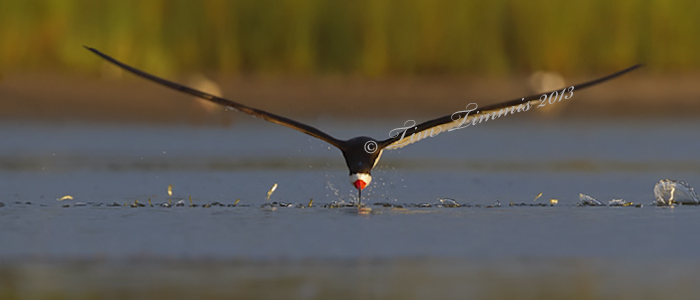
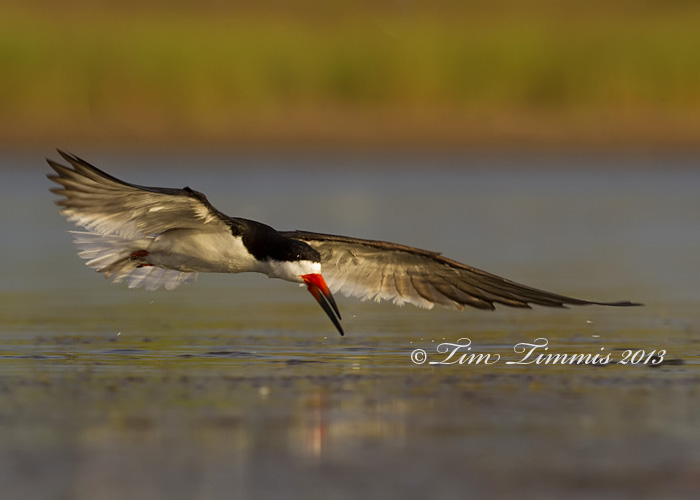
It’s always interesting to watch Black Skimmers flying with their beaks skimming in the water. What’s more fun is to try to capture the action when they try to catch a fish. They will be flying along and all of a sudden their head will snap down when they feel a fish hit their beak. Grabbing the fish can be another story. Good times.
Taken with Canon 7D and Canon 500mm F4 IS II mounted on Skimmer ground pod with Wimberley II gimbal head
1/640 sec @ F7.1, ISO 400, evaluative metering, 500mm

The Splash
This Skimmer was hunting for its prey and ended up splashing water up over his head which was an added bonus on this shot.
Taken with Canon 7D and Canon 500mm F4 IS II lens mounted on Skimmer ground pod with Wimberley II head
1/400 sec @ F7.1, ISO 400, evaluative metering, no flash, 500mm

Avocets Filling the Frame
Being close enough to Avocets where they fill the frame doesn’t happen to me often enough but it’s very cool when it does. It helped on this trip to have my 1.4X teleconverter installed along with my flash. Had to crank up the ISO to 800 since the clouds were out at sunrise.
Taken with Canon 7D and Canon 500mm F4 IS II lens and 1.4X III teleconverter mounted on Skimmer ground pod with Wimberley II head, fill flash using 580 EX II w/better beamer
1/320 sec @ F5.6, ISO 800, evaluative metering, fill flash at – 3 stops, 700mm

1/400 sec @ F5.6, ISO 800, evaluative metering, fill flash at – 3 stops, 700mm
Skimmer Close-up’s
Here are a few close-up Skimmer shots. Close cropped these photos as the backgrounds were filled with distracting elements.
Taken with Canon 7D and Canon 500mm F4 IS II mounted on Skimmer ground pod with Wimberley II gimbal head.
1/640 sec @ F7.1, ISO 400, evaluative metering, -1/3 exposure compensation, 500mm
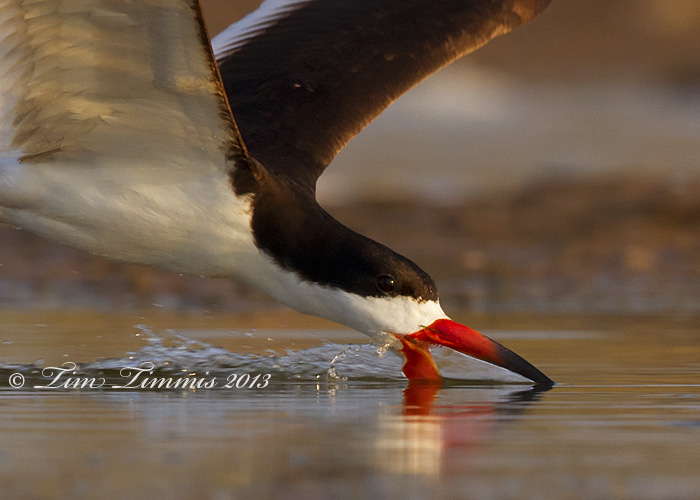
1/400 sec @ F7.1, ISO 400, evaluative metering, 500mm
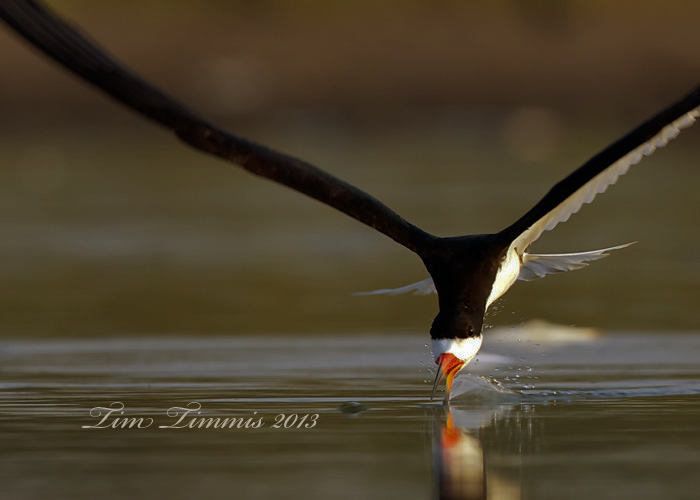
1/500 sec @ F7.1, ISO 400, evaluative metering, 500mm

Skimmer going away…
I’ve got tons of bird “butt shots” but this is one of my favorites from a recent trip to Bryan Beach. As well as getting photos of Black Skimmers coming towards me, I was able to get some as they were heading away. This one stood out with the tail feathers in the “flaps down” position and his beak just barely in the water.
Taken with Canon 7D and Canon 500mm F4 IS II lens mounted on Skimmer ground pod with Wimberley II gimbal head.
1/320 sec @ F5.6, ISO 400, evaluative metering, 500mm

Reddish Egret Landing
While taking Skimmer photos, this Reddish Egret came in for a landing right in front of me. There were 4 of them that flew in together and this one made the most dramatic landing in decent light.
1/1250 sec @ F4, ISO 400, evaluative metering, -2/3 exposure compensation

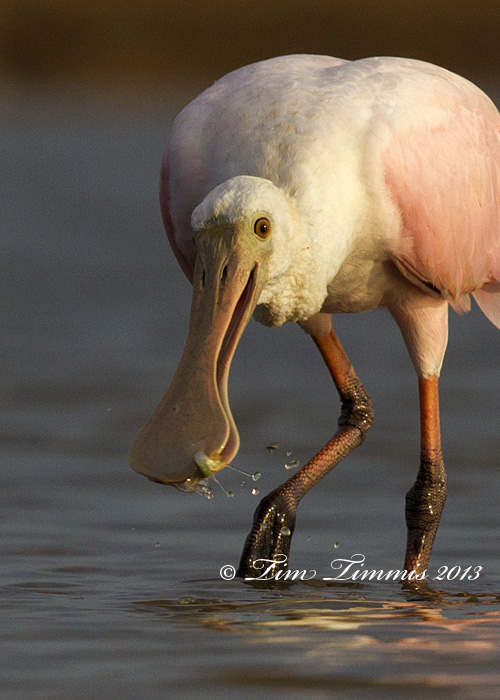
Spoonbill Fishing
A couple of Spoonbills were wondering around the pond at Bryan Beach on one of my recent trips. Took the opportunity to get some shots of them fishing. My usual Spoonbill photos aren’t water shots so this was a nice change of pace. The shape of the bills work very well for fishing along the bottom of the pond. My first photos of them actually catching fish.
1/1000 sec @ F9, ISO 400, evaluative metering, -1/3 exposure compensation
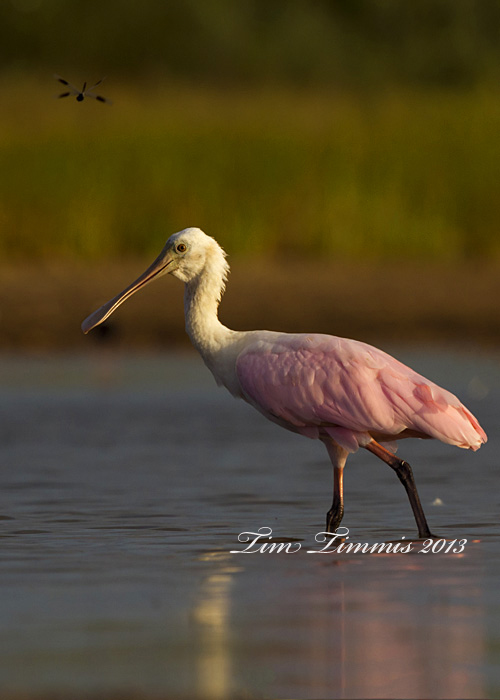
1/800 sec @ F9, ISO 400, evaluative metering, -1/3 exposure compensation
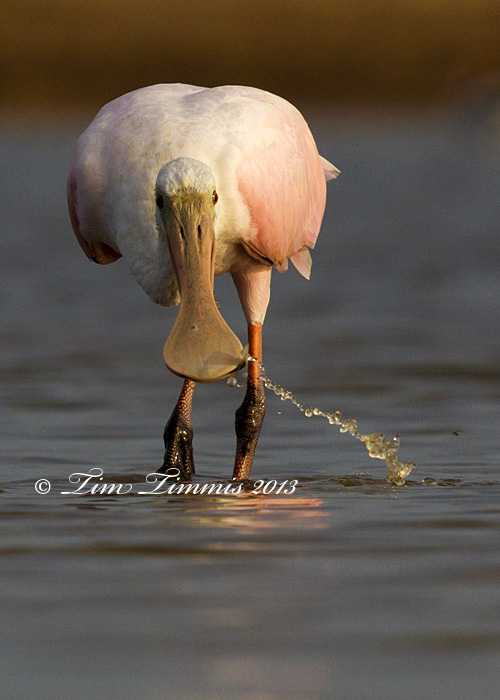
1/800 sec @ F9, ISO 400, evaluative metering, -1/3 exposure compensation
Scaring Fish Out of the Water
This Skimmer was doing such a good job fishing that the fish were jumping out of the water as he was flying around.
Taken with Canon 7D and Canon 500mm F4 IS II mounted on Skimmer ground pod with Wimberley II gimbal head.
1/250 sec @ F8, ISO 400, evaluative metering
Avocet Posing
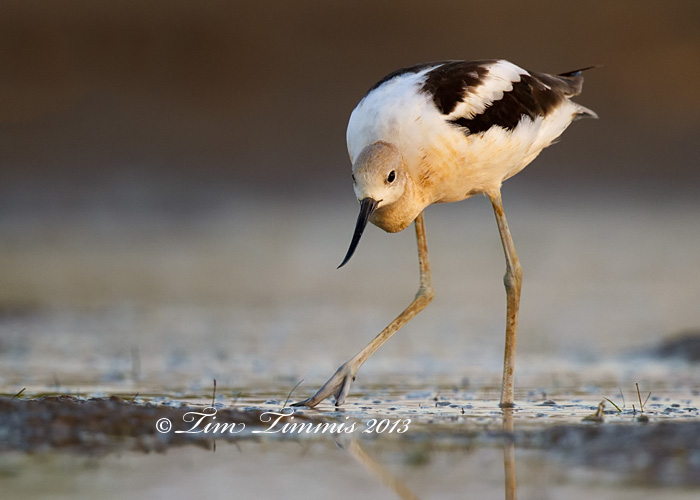
My goal for the last trip to Bryan Beach near Freeport, TX was to concentrate on Avocet shots as some of them are in full breeding plumage. Of course, when David and I got into position near the pond, most of the Avocets were on the other end. After getting some Skimmer shots, ended up moving to the other end in search of the elusive Avocets. Ended up doing the old belly crawl to get close to them, which is always fun in the stinky muck around that pond. Well worth the effort to get close to these guys. The interesting part was after getting in to position, I felt something started crawling under my stomach. Likely a small crab but I wasn’t about to move at that point so was glad that it didn’t bite.
Taken with Canon 7D and Canon 500mm F4 IS II lens mounted on Skimmer ground pod with Wimberley II gimbal head
1/640 sec @ F9, ISO 400, evaluative metering, -2/3 exposure compensation

My 4th of July Skimmer Fireworks
My 4th of July celebration started at sunrise this year instead of sunset. Still had lots of sparks flying (lame analogy for Skimmers) in the pond at Bryan Beach. Positioned myself this time at one end of the pond where they would fly directly towards me. Also got some photos of other birds like Black Crowned Night Herons and Reddish Egrets which I’ll post later.
Taken with Canon 7D and Canon 500mm F4 IS II lens mounted on Skimmer ground pod with Wimberley II gimbal head
1/640 sec @ F4, ISO 500, evaluative metering

1/400 sec @ F5.6, ISO 400, -2/3 exposure compensation, evaluative metering

1/320 sec @ F5.6, ISO 400, evaluative metering
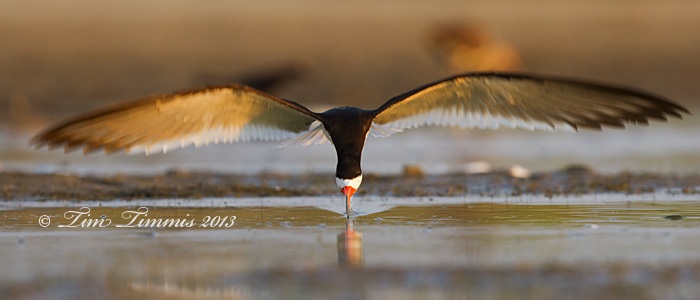
1/400 sec @ F5.6, ISO 400, evaluative metering

Black Skimmer Challenges & Rewards
The past couple weeks have challenged my patience and photography skills. Headed to Bryan Beach last weekend in search for Black Skimmers after hearing that the water was drying up in the ponds, which helps to concentrate the fish and the birds.
One of the challenges at Bryan Beach is finding a place to park without getting your car stuck in the sand, which I’ve had lots of experience with over the past few years. With my highly functioning brain waves, ended up getting stuck in the mud instead of the sand this time. Saw some tracks where someone else had driven across what appeared to be dried out muck from the pond so I dove in and got stuck in the “wet” muck. While sitting in the car with wheels spinning and contemplating my options, looked towards the birds in the pond and said the heck with my car. It wasn’t going anywhere and the birds were begging to be photographed, which turned out to be easier said than done.
Experienced some of the most challenging shooting that I’ve seen while using my 500mm lens on a ground pod. Even with using a gimbal head, there is a very limited range of motion available while lying down on the ground when shooting flying birds. Skimmers fly with their beaks in the water to grab fish. The challenges included acquiring the birds in the frame with the 500mm lens, getting them in focus while flying around other birds, getting a clean foreground/background and then getting the shot before running out of room to move the lens around. Standing up would have been much easier but the shots wouldn’t have been as good. There were hundreds of shore birds in this small pond so trying to get an isolated shot was almost impossible.
My 7D did fairly well but had some trouble with locking the focus on the quick moving Skimmers with the busy backgrounds. Tried using different focus point options and ended up back with what I typically use, the single center focus point. A 1D series Canon body would have fared much better but that is another expenditure for down the road, but a good excuse to get one someday.
The first day at Bryan Beach ended up with a couple of 32 gig cards full of skimmer shots, a very stiff neck and me calling a tow truck. Almost had to call an ambulance after nearly having a heart attack when they told me that it would cost $150 to get may car pulled out of the mud. Luckily a good Samaritan stopped by and pulled me out before I had to sell my first-born child to get out. There are still good people out there and I’ve met lots of them in Texas.
Went back for two more days of Skimmer photography over the holiday, so more and better photos to come.
Taken with Canon 7D and Canon 500mm F4 IS II mounted on Skimmer ground pod with Wimberley II head
Here is a shot that shows how congested the pond is just before sunrise.

1/400 sec @ F8, ISO 400, evaluative metering, -2/3 exposure compensation

1/400 sec @ F8, ISO 400, evaluative metering, -2/3 exposure compensation

1/500 sec @ F9, ISO 500, evaluative metering

1/500 sec @ F9, ISO 500, evaluative metering
Intimidation
This Great Egret was all bristled up while chasing off another egret from its nesting area. The breeding plumage can not only be used for attracting a mate, but also to intimidate an unwanted visitor. Some back-lit action from High Island’s rookery earlier this year.
Taken with Canon 7D and Canon 500mm F4 IS II lens mounted on tripod with Wimberley II gimbal head
1/1600 sec @ F8, ISO 400, spot metering

Love Bite Gator Style
One of my goals while taking photos of the baby alligators at Brazos Bend State Park this year was to get a shot of a baby sitting on momma’s head. Ended up having to settle for one on her nose instead. This youngster was showing momma some affection with a little love bite to her eye. Momma didn’t seem to mind and only collapsed her eye lid on the last photo. The baby then looked like he was going to crawl up her head when someone walking up the trail stopped too close to them and she dove to her left into the water. I’m sure that the baby went flying. Wish that I had gotten that shot.
Taken with Canon 7D and Canon 500mm F4 IS II lens with 1.4x III teleconverter mounted on tripod with Wimberley II head
1/640 sec @ F9, ISO 800, evaluative metering, +1/3 exposure compensation, 700mm
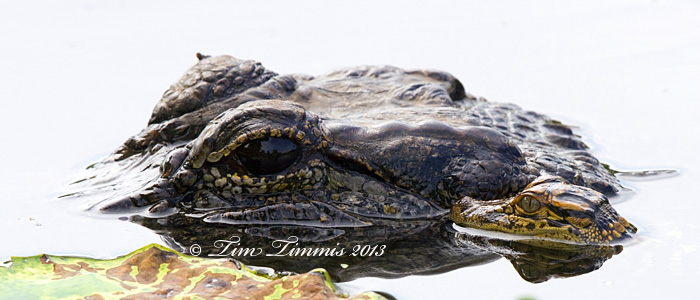
1/500 sec @ F11, ISO 800, evaluative metering, +1 exposure compensation, 700mm
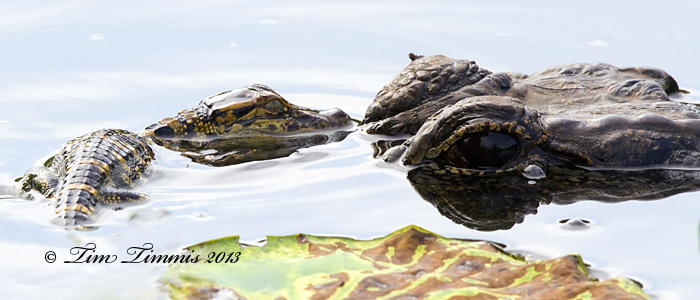
1/400 sec @ F11, ISO 800, evaluative metering, +1 exposure compensation, 700mm

1/500 sec @ F11, ISO 800, evaluative metering, +1 exposure compensation, 700mm

Love Birds
“He’s just not into you” doesn’t apply in this case. Love was is the air for both of these Great Egrets during mating season at High Island’s rookery. Used spot metering on these white bird to get the proper exposure which helped to darken the background. It’s always my goal to get a heart shape formed between the two birds necks. Got close on this one.
Taken with Canon 7D and Canon 500mm F4 IS II lens mounted on tripod with Wimberley II head
1/1250 sec @ F8, ISO 400, spot metering

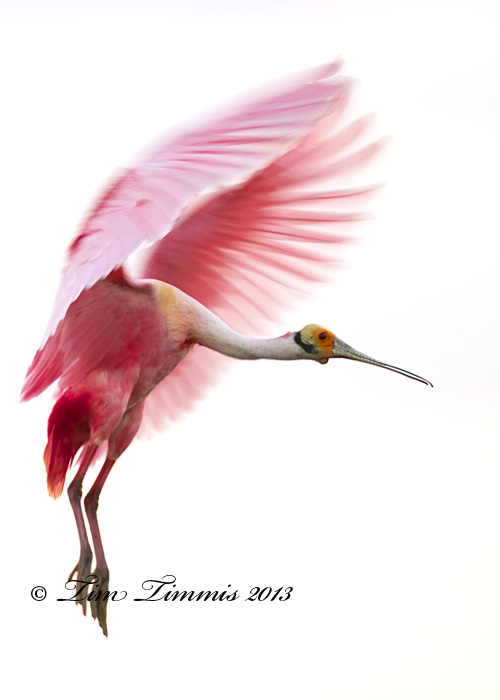
Wings-Up Spoonbill
This Roseate Spoonbill was doing a nice pose while coming in for a landing at High Island’s rookery. Was able to get his head sharp with some motion in the wings with the slow shutter speed. It was a cloudy day but it worked for this photo.
Taken with Canon 7D and Canon 500mm F4 IS II lens mounted on tripod with Wimberley II gimbal head
1/200 sec @ F4, ISO 500, spot metering
Missed Opportunity – GBH Grabs Baby Gator
While taking baby gator photos at Brazos Bend State Park, had a very interesting experience that left me both angry at myself and also feeling very lucky.
Had the ideal, one in a lifetime, photo opportunity with a Great Blue Heron grabbing a baby alligator. Found the GBH in the area where the babies were the previous weekend but momma gator was on the other side of the trail. Knew to keep an eye on the GBH just in case the action happened. I was trying to get a decent shot of the GBH when I made a couple of major errors right before the action hit. I turned the camera vertical, switched to the top most focusing point and used F16 to get the GBH in focus as he was full framed at 500mm. Immediately after I did that, the GBH struck and grabbed a little gator right in front of me. Had my flash going but it didn’t help much as I lost the focus point and only got a shutter speed of 1/25 to 1/30 sec. It happened too quick for me to recover and change settings. Oh well, it happens.
The other interesting part was that the GBH then flew away over the trail where the momma gator was and who apparently was watching the action. The gator shot out across the water about 40 ft making a large wave trying to get to the GBH. Now that would have been a photo-op. She wasn’t even close but it was quite an experience to see the whole episode unfold right in front of me.
The biggest lesson learned for me had nothing to do with my missed photos. Note to self: don’t stand between a mother gator and her young when they are attacked. She could have easily shot out of the water and ran right into me on her way to the GBH. Therefore, I consider myself lucky to see the action and not to be in the path of an angry mother gator. In reality, I didn’t kick myself that much as it was very cool to see and there were some other decent photo op’s that day.
Here are some of the resulting photos just to punish myself on what I missed. Maybe in my next lifetime…
Taken with Canon 7D and Canon 500mm F4 IS II lens mounted on tripod with Wimberley II head, all uncropped full framed photos
1/60 sec @ F11, ISO 1600, evaluative metering, fill flash with better beamer, just prior to setting it to F16

1/30 sec @ F16, ISO 1600, evaluative metering, fill flash with better beamer

1/25 sec @ F16, ISO 1600, evaluative metering, fill flash with better beamer
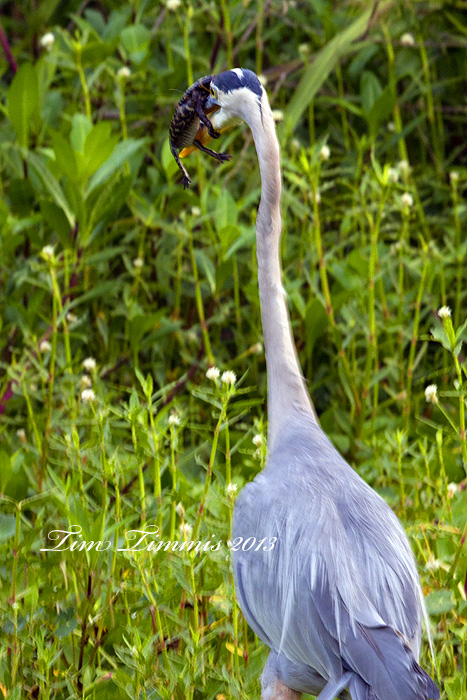
1/25 sec @ F16, ISO 1600, evaluative metering, fill flash with better beamer
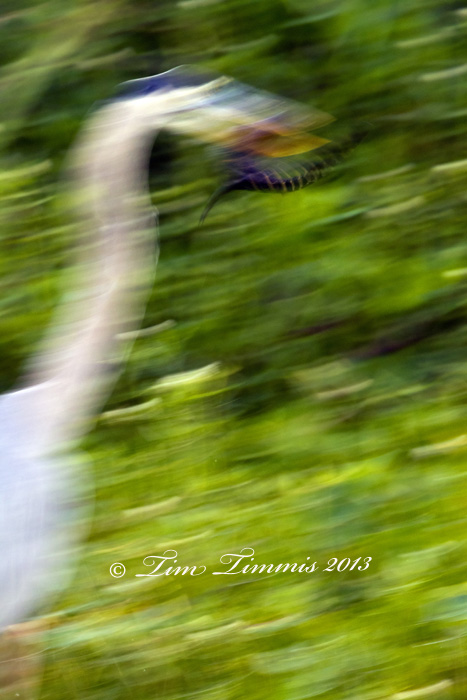
Gator Pile
Baby alligators like to sun themselves and they are determined to climb over one another to do it. Hense, the “gator pile” syndrome. Unfortunately, the pile can only hold so many and one usually shows up to spoil the fun for the rest of them, which results in the “falling gator pile” syndrome. The babies that we spotted at Brazos Bend State Park were keeping near the weeds but eventually came out to warm up on the small log. One of them would climb on the log and the others would then pile on.
Taken with Canon 7D and Canon 500mm F4 IS II mounted on tripod with Wimberley II head.
1/160 sec @ F9, ISO 1600, evaluative metering, 500mm, no flash
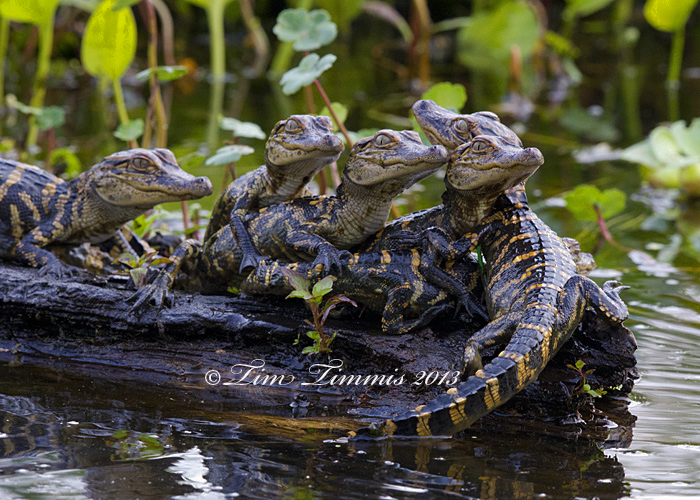
1/80 sec @ F9, ISO 800, evaluative metering, 500mm, no flash

Baby Alligators
Didn’t have high expectations from a photography perspective last weekend with cloudy weather but sometimes mother nature comes through with a few surprises. Headed to Brazos Bend State Park and eagle eye Doug ended up spotting a baby gator swimming near the 40 acre lake trail. Jackpot! We ended up spending a couple of hours on Sat and again on Sunday sitting on the bank with one eye on the babies and the other on momma. We ended up seeing about 16 small gators, which were around 8 to 12 inches long and +/- 9 months old as they typically hatch in August. We were hoping for a “baby on momma’s head” shot but no luck. Got some of those shots a few years ago and it would be fun to see it again.
The conditions posed a few challenges. As a general rule, I don’t typically shoot over ISO 500 due to the 7D noise. Didn’t have much choice on Saturday as I forgot to bring my off-camera flash cord, so no flash for me. Therefore, got to play with ISO 1600 and ISO 800, which turned out not to be the disaster that I was anticipating. The noise cleaned up nicely with Noise Ninja. I’m really glad that I couldn’t use flash on Sat as I didn’t like my flash shots as much on Sunday.
The little buggers were very cute and fun to watch and photograph. Luckily there was a small log in the water near them and they would climb up on it to sun themselves. I was very happy with the IS performance of my 500mm lens as the second shot was at only 1/30 sec. I’ll post some of the group “pile-on” photos later.
Taken with Canon 7D and Canon 500mm F4 IS II mounted on tripod with Wimberley II head
1/400 sec @ F5, ISO 800, evaluative metering, 500mm, no flash
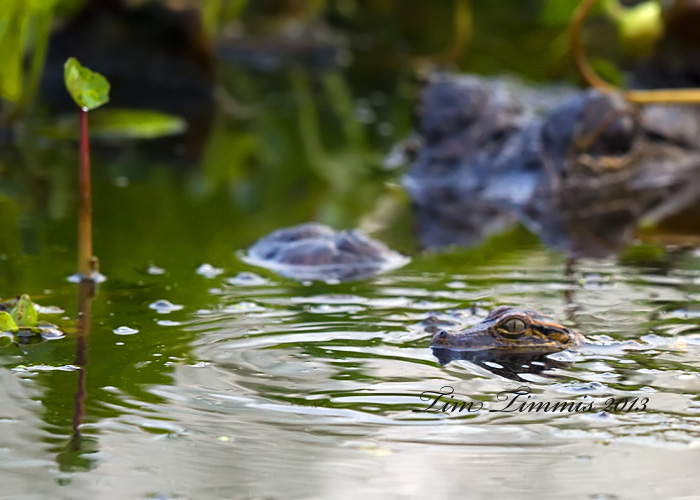
1/30 sec @ F4, ISO 1600, evaluative metering, 500mm, no flash

1/500 sec @ F11, ISO 800, evaluative metering, -2/3 exposure compensation, 500mm, no flash

So I Look Like an Elephant?
Not really…but…kinda…sorta…
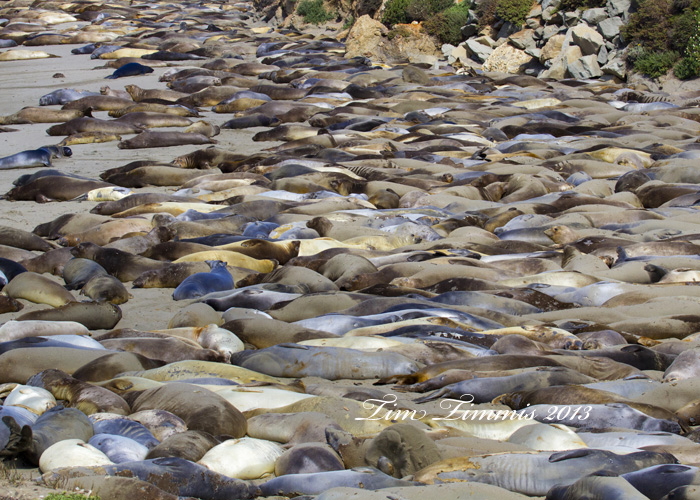
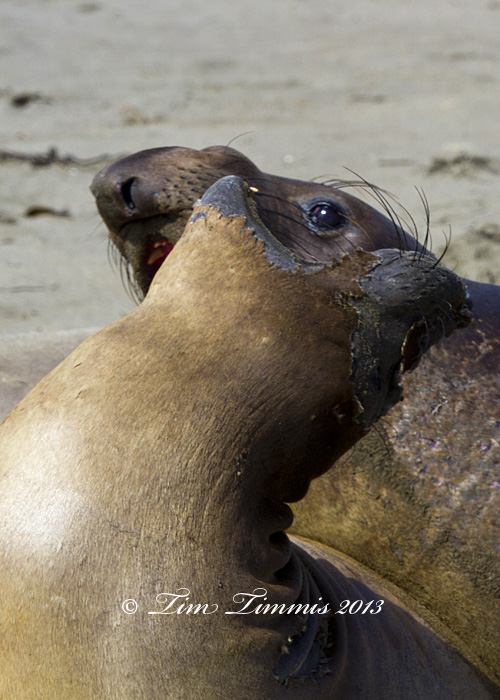
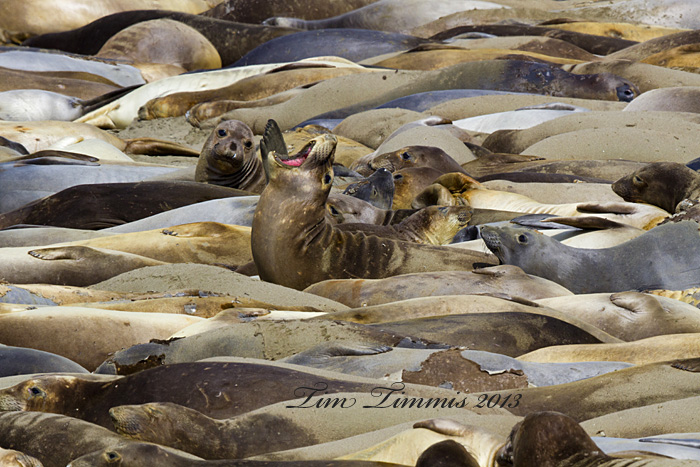
The second day of my California adventure included a visit to Piedras Blancas rookery, where there were thousands of Elephant Seals on a stretch of beach near San Simeon. I’ve been to High Island rookery many times but I’ve never seen a rookery like this before. The seals were going through their molting phase but some were very cute none the less. They have a great set-up with boardwalks along the top of the beach so that you can’t get on the beach but you can get some very close-up photos.
It was a very impressive site to see so many seals all in one location. They were laying side by side which made for some interesting pattern shots. Broke out the big lens to get close-up’s. When one started moving, the other ones would get ticked off and a few fights broke out. We were a few months late for mating season when the fights are much more intense.
You can get more details on this location and info on the seals on the link below. A great place to visit if you are ever in this part of California. I’ll definitely be going back.
Taken with Canon 7D and Canon 500mm F4 IS II on tripod with Wimberley II gimbal head, except the first photo as noted
1/640 sec @ F11, ISO 400, evaluative metering, 100mm with Canon 100-400mm lens
1/500 sec @ F11, ISO 400, evaluative metering, 500mm

1/640 sec @ F9, ISO 400, evaluative metering, +1/3 exposure compensation, 500mm

1/800 sec @ F9, ISO 400, evaluative metering, 500mm
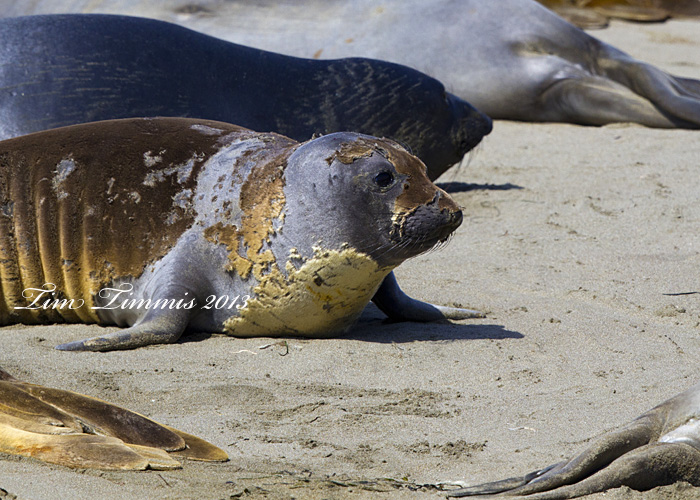
1/500 sec @ F11, ISO 400, evaluative metering, 500mm
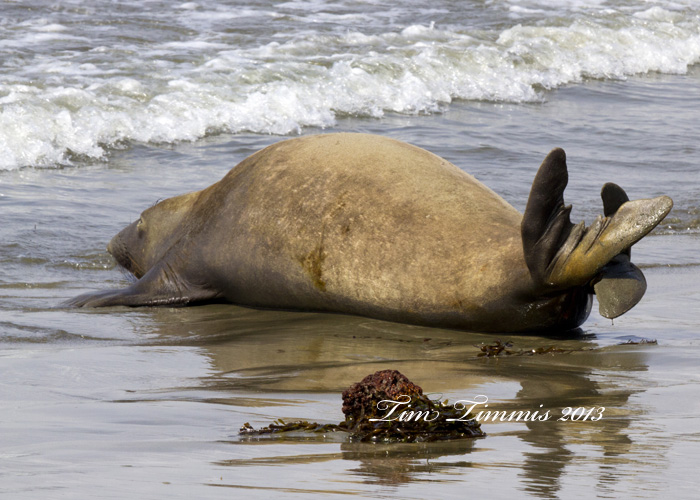
1/640 sec @ F10, ISO 400, evaluative metering, 500mm
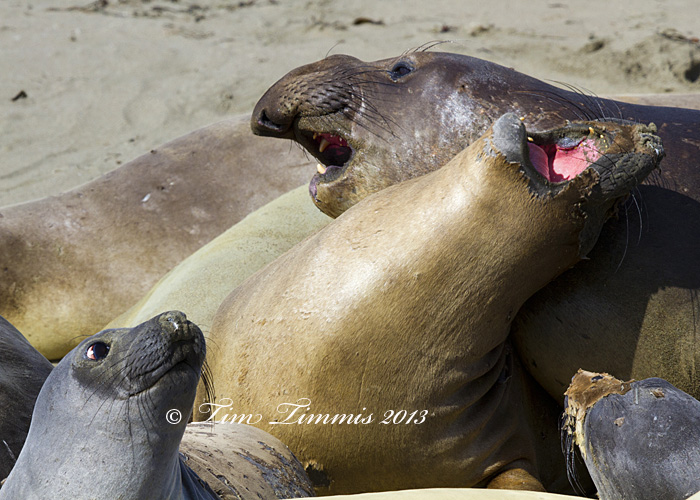
1/400 sec @ F10, ISO 400, evaluative metering, 500mm
1/800 sec @ F11, ISO 400, evaluative metering, 500mm
The Catch
My Reddish Egret buddy dove his head into the water and came up with this very large fish. Another one of my tips from my bird photography classes is to start shooting when you see their head starting to go down towards the water. That way you can get a cool spash shot or if your lucky, a fish coming out of the water. I was surprised at how big the fish was and I’m always amazed that they can swollow it whole.
Taken with Canon 7D and Canon 500mm F4 IS II lens with 1.4x III teleconverter mounted on Skimmer ground pod with Wimberley II head.
Aperture priority, 1/800 sec @ F9, ISO 400, evaluative metering

Aperture priority, 1/800 sec @ F9, ISO 400, evaluative metering

Dance of the Reddish Egret
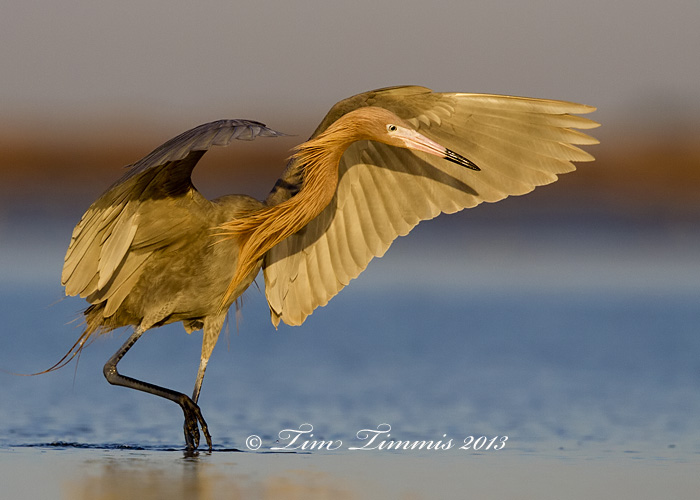
What a difference a week makes. At FeatherFest, Bolivar was at high tide with limited shorebird activity. A week later, it was low tide with lots of birds. I was disappointed that my field trip participants didn’t get a chance to see what I did. There was another photographer already at the flats shooting when I got there before sunrise. Good for him. Made my way past him to check out my favorite spot and eventially hit the jackpot.
During my classroom presentation, two or my recommended tips are to 1) keep your head on a swivel and look behind you as your best shot may be there and 2) be patient. Luckily I practiced what I preached and laid down and waited for the action to happen. Was taking photos of some small shore birds when I turned around at one point to find a Reddish Egret dancing around right behind me while trying to catch a fish. Had to turn around slow enough not to spook him. Luckily he was more interested in the fish than me. They are one of my favorite shorebirds to watch and photograph. They dance around with their wings outstretched to scare the fish. This one was in prime form and a second one joined the fun a few minutes later.
He was almost too close at 700mm but was able to get some decent nearly full framed shots of him dancing around and catching a very large fish. I’ll save the fish photos for later.
Taken with Canon 7D and Canon 500mm F4 IS II lens with Canon 1.4x III teleconverter mounted on Skimmer ground pod with Wimberley II gimbal head
Aperture priority, 1/800 sec @ F9, ISO 400, evaluative metering, no exposure compensation or flash, 700mm

Aperture priority, 1/1600 sec @ F7.1, ISO 400, evaluative metering, no exposure compensation or flash, 700mm
FeatherFest Bolivar Flats Field Trip – Part II
Here are some more of my photos from my workshop at FeatherFest at Bolivar Flats. These Pelicans were hanging out on the barricade poles where you park. We took advantage of the early morning light with this gang of Pelicans and then moved to the opposite side to get some silhouette shots.
Taken with Canon 7D and Canon 500mm F4 IS II, handheld
1/640 sec @ F4, ISO 400, evaluative metering, no exposure compensation or flash

1/800 sec @ F4, ISO 400, evaluative metering, no exposure compensation or flash

1/8000 sec @ F8, ISO 400, evaluative metering, -1 exposure compensation

1/8000 sec @ F8, ISO 400, evaluative metering, -1 exposure compensation

1/640 sec @ F8, ISO 400, evaluative metering
Galveston’s FeatherFest Field Trip to Bolivar Flats
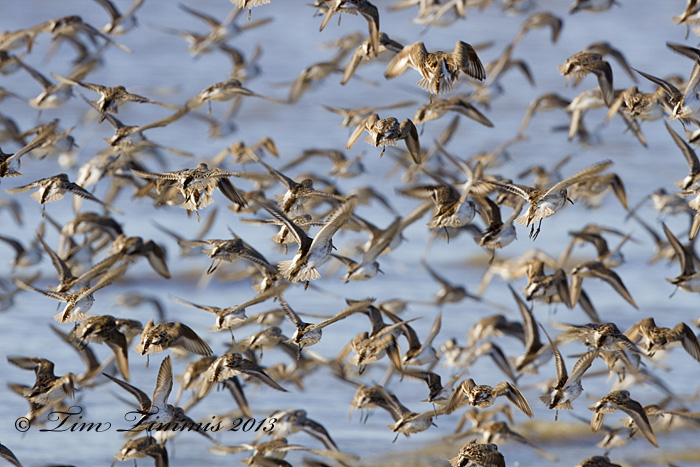
Had a great time this week with leading 4 classroom workshops and 2 field trips at Galveston’s FeatherFest. The first field trip was at Bolivar Flats, which I kind of know like the back of my hand. The goal was to give the participants experience at using a ground pod and to get some low-level shorebird photos. Bolivar is at it’s best at low tide and of course it was high tide on Friday morning. Never the less, we packed 10 of us into a small van and headed to the flats. Note to self: get a larger vehicle next year and leave earlier.
The good news was that the sun was out and the wind and waves were low. The bad news was that with high tide, there were no exposed sand bars off of the shoreline so we had to stay on the beach. There were several Pelicans on the poles at the barricade, which made for some good shots including silhouettes. Went a little further down the beach and saw a Willet and some type of small sparrow in the brush. Got down on the ground to shoot some small Sanderlings and 3 Marbled Godwits came walking towards us. It was a good example of how close the birds will come to you while lying down on the ground.
We ended up working our way down the beach and got up and down several times. My sharp-eyed liaison assistant, Phil, spotted a lone Avocet in full breeding color mixed in with some other birds further down the shoreline. I told the group that it would be a miracle to get close to him but we would give it a shot. We ended up walking closer to him with my goal to get to a point where there was some yellow plastic on the beach. The birds started to stir a little, so we went down to the ground. The Avocet was mixed in with several other birds and was difficult to get a good shot of him at that distance. We ended up doing the old belly crawl trying to get closer while pushing the ground pods along. When we made it to the yellow plastic, I was satisfied that we had reached that goal. My group was very ambitious and wanted more so we kept crawling. This is where a Skimmer ground pod really shines with it being easy to move along the sand.
We ended up crawling fairly close to the Avocet but ran out of time and had to head back to the van. I was hoping that he would give us a good stretch and fly but he looked too tired. It’s rare to see a lone Avocet like that as they are usually in a large flock. The field trip turned out better than I expected with being stuck on the shoreline.
Thanks to everyone who came on this field trip. It was a good time and can’t wait to do it again next year. I’ll post of few more photos from this trip and my second trip on Sat. around Galveston later.
All of these photos were taken with a Canon 7D and Canon 500mm F4 IS II mounted on a Skimmer ground pod with Wimberley II gimbal head
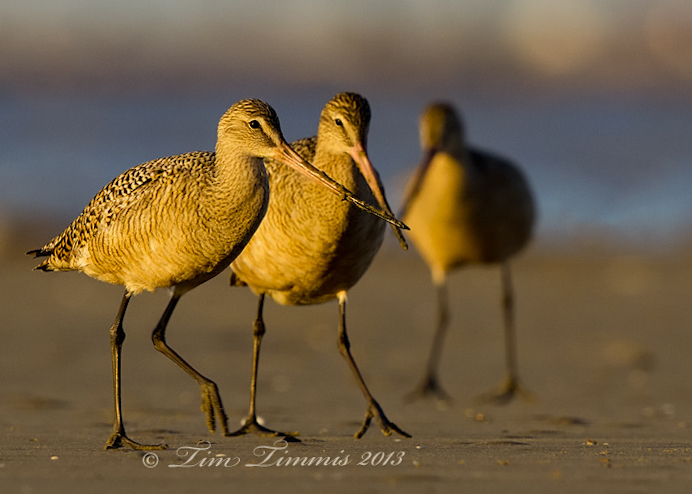
Marbled Godwits with my goal while taking this shot was to get the first two with their beaks together. Got an added bonus with the 3rd one. Shows the depth of field with a 500mm lens.
Aperture priority, 1/500 sec @ F8, ISO 400, evaluative metering, no exposure compensation or flash
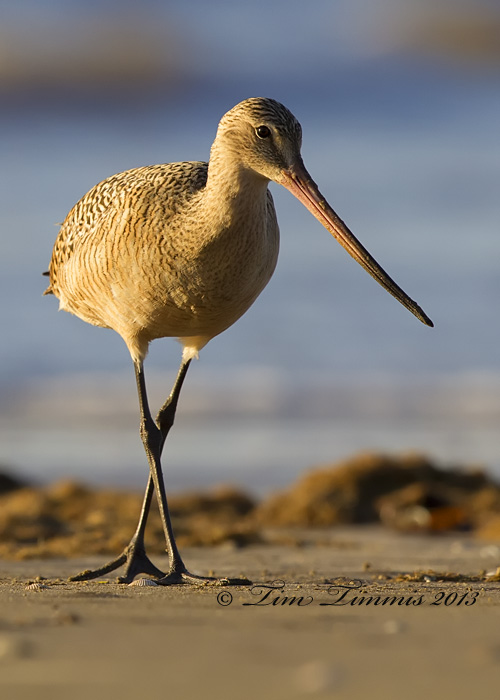
Got this Marbled Godwit taking off as he walked around us along the beach.
Aperture priority, 1/800 sec @ F8, ISO 400, evaluative metering, no exposure compensation or flash

This Marbled Godwit was doing his best pose for us.
Aperture priority, 1/800 sec @ F8, ISO 400, evaluative metering, no exposure compensation or flash
Our targeted Avocet in full breeding colors as he finally walked away from the other birds around him.
Aperture priority, 1/1250 sec @ F8, ISO 400, evaluative metering, no exposure compensation or flash

Nest Building Ritual
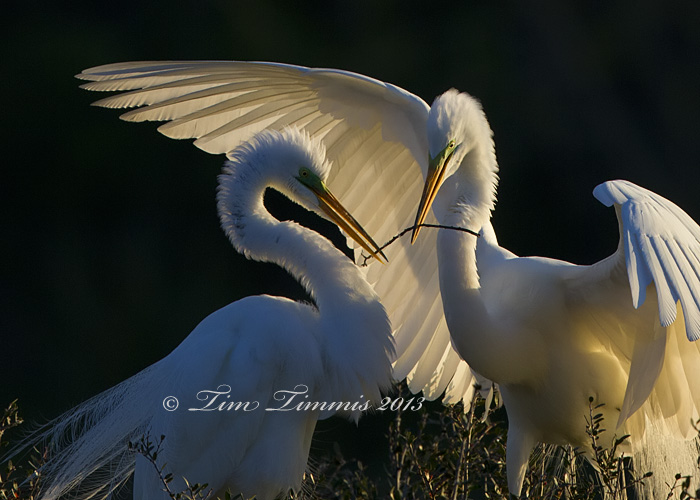
When the mate arrives back at the nest with a stick, the ritual begins with lots of squawking. The stick is then transferred with an abundance of fanfare to the other egret. They often both hang onto to the stick while placing it into the nest. It’s quite the ceremony and interesting to watch and photograph.
I tend to keep my focus on one pair of birds that are in a good position with a decent background. If you get lucky, they repeat the ritual time after time and allow for some great photo op’s. This was one of those times. One of my favorite shots from High Island so far this year.
Using manual exposure and exposing for the brightest spots on the white birds keeps the whites from blowing out, darkens the scene and resulted in the black background.
Taken with Canon 7D and Canon 500mm F4 IS II mounted on tripod with Wimberley II head
1/1250 sec @ F8, ISO 400, manual exposure, 500mm
 Tim Timmis Photography