
Scissor-Tailed Flycatcher
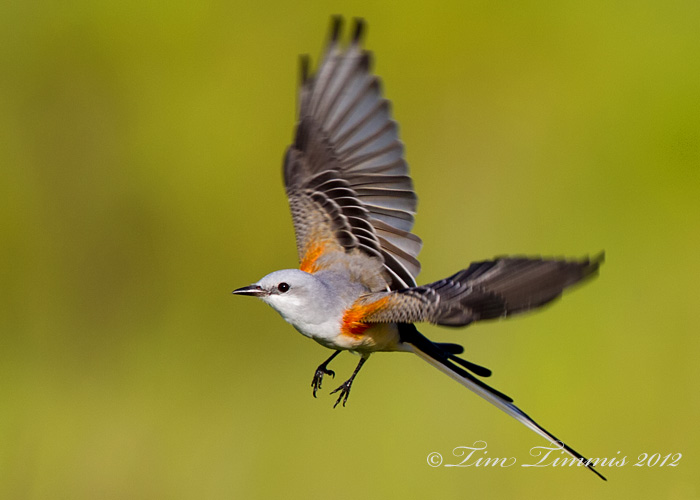
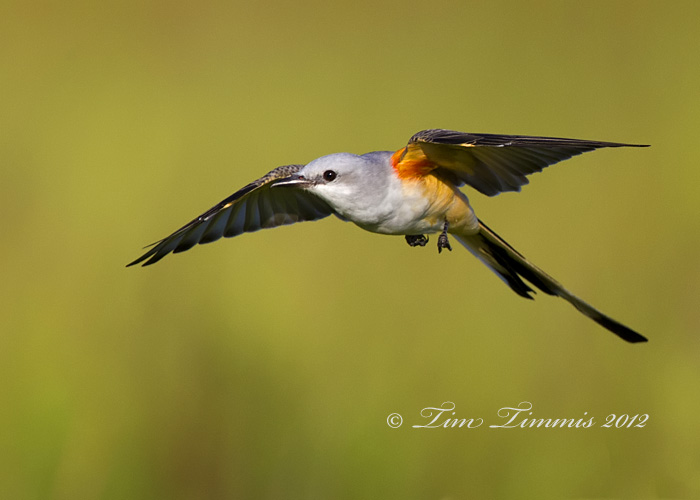
I’ve never had any luck finding Scissor-Tailed Flycatchers until recently. I’ve spent the last couple of weekends at Brazoria NWR trying to get photos of much larger birds when I found some of these flycatchers in the same spot on each trip. They are fun birds to shoot as they kept taking off and landing trying to catch bugs. Got these two shots out the car window as he was taking off from his perch. The 500mm lens worked well with the 1.4x teleconverter.
Taken with Canon 7D and Canon 500mm F4 IS II and 1.4X III teleconverter.
1/1600 sec @ F5.6, ISO 400, evaluative metering, + 1/3 exposure compensation, 700mm
1/2000 sec @ F5.6, ISO 400, evaluative metering, + 1/3 exposure compensation, 700mm
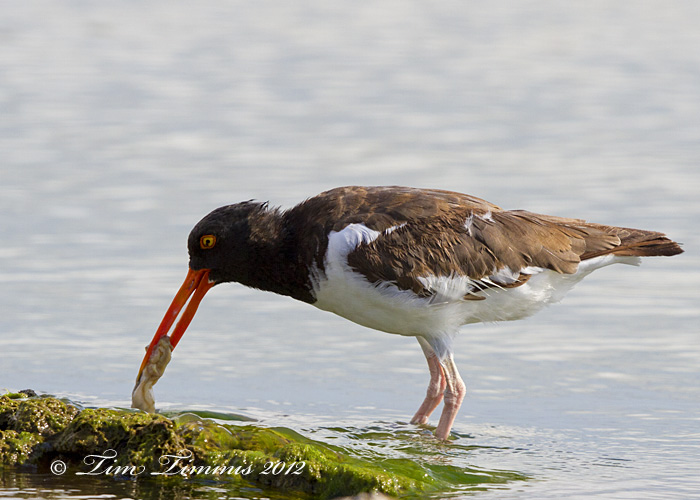
American Oystercatcher
Found this Oystercatcher at the Texas City dike a few weeks ago. He was strutting his stuff while walking towards me. Took the shot while handholding my new 500mm lens out the car window on my first weekend outing with it. Made a good first impression…the bird and the lens.
Taken with Canon 7D and Canon 500mm F4 IS II lens
1/1250 sec @ F5.6, ISO 250, evaluative metering, +1/3 exposure compensation

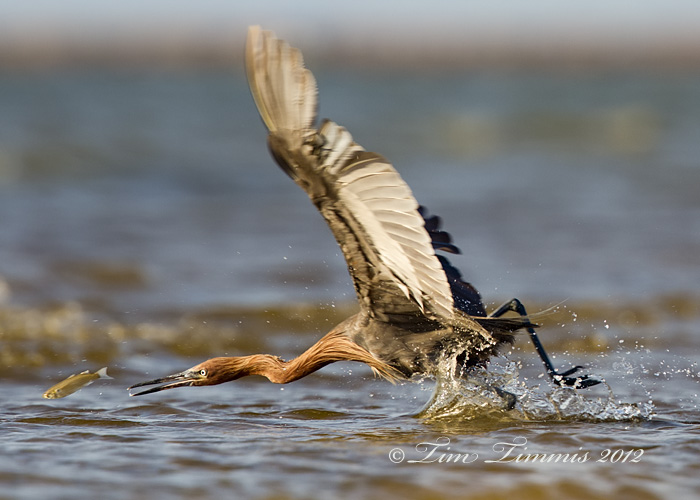
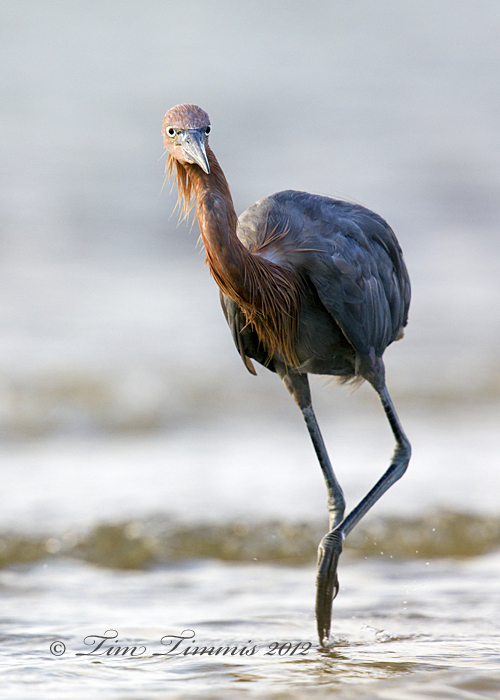
Reddish Egret…almost but…
Here are a few more shots of a Reddish Egret fishing from Bolivar Flats, TX. From stalking its prey to going for the gold. This one was so close to catching the fish in mid-air. Would have been the money shot. I’ll have to settle for bronze. Hopefully won’t have to wait another 4 years to try again.
It’s always challenging to shoot action shots from laying down on your stomach but using the full Wimberley head on the ground pod makes it easier. Having practiced with my 100-400 and Wimberley Sidekick for about 5 years made for an easy transition to the big lens.
Taken with Canon 7D + Canon 500mm F4 IS II + 1.4x III teleconverter, mounted on Skimmer ground pod with full Wimberley head.
1/800 sec @ F7.1, ISO 400, evaluative metering
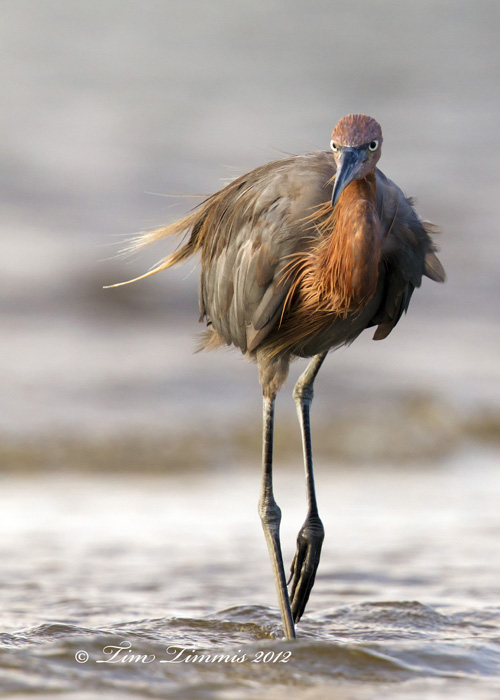
1/800 sec @ F7.1, ISO 400, evaluative metering

1/800 sec @ F7.1, ISO 500, evaluative metering, +1 exposure compensation
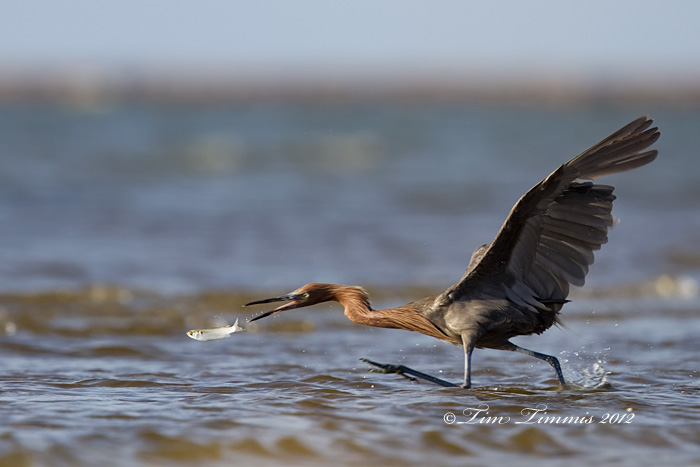
1/800 sec @ F7.1, ISO 500, evaluative metering, +1 exposure compensation
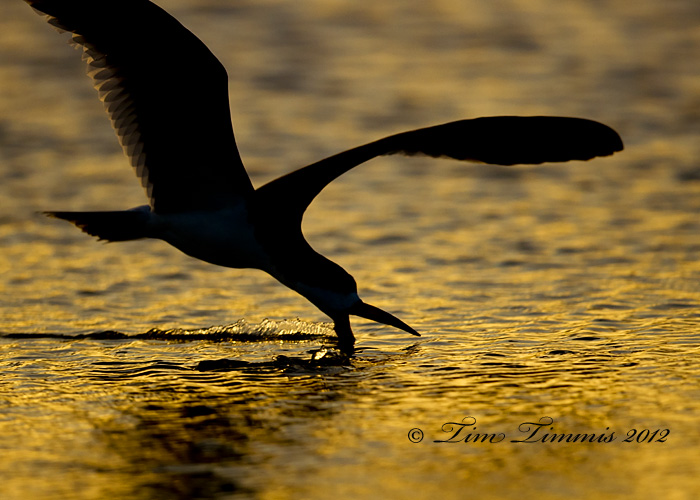
Black Skimmer Silhouette
For a change of pace from Reddish Egrets, for now anyways, here is Black Skimmer doing what skimmers do. Also taken at Bolivar Flats. I was walking around carrying my 500mm lens mounted on my ground pod when I heard the telltale “bark” of skimmers coming. Set my groundpod down and pulled off the camera and shot this handheld as two Skimmers went by.
Taken with Canon 7D and Canon 500mm F4 IS II, handheld.
1/6400 sec @ F4, ISO 500, evaluative metering
Reddish Egret Fishing
I’m always amazed at how good Reddish Egrets are at catching fish. They dart around with their wings extended and almost always come up with a fish. Other shore birds tend to stand around and watch as these guys are getting their stomachs full. I thought that last weekend was going to be a bust at Bolivar but it turned out to be one of my best Reddish Egret outings to date. There were tons of people camping out on the beach and lots of wade fisherman in the water off of the beach, which is not a good combination for bird photography. The beach was also not cooperating. About 75% of the beach was covered in several inches of dead seaweed, which I haven’t seen in this area before. It was also high tide which is the worst time to go. However, with wanting to try out my new 500 F4 IS II lens, I wasn’t going to wait.
Got some silhouette shots at sunrise and then headed down the beach to see if any Peregrine Falcons were around. No dice on the falcons so I headed back towards the car. A Reddish Egret was standing on the lone exposed sand bar near the parking area. He flew back down the beach so I followed him around for a while. Didn’t have much luck and ended up back at the sand bar and laid down to get some Willet shots. Then the fun began. Three Reddish Egrets then showed up to fish in my area with one being right in front of me. Good times were had by all of the local critters, especially me.
Taken with Canon 7D and Canon 500mm F4 IS II lens, 1.4x III teleconverter, mounted on Skimmer ground pod with Wimberley gimbal head.
1/400 sec @ F7.1, ISO 400, evaluative metering, + 1 exposure compensation
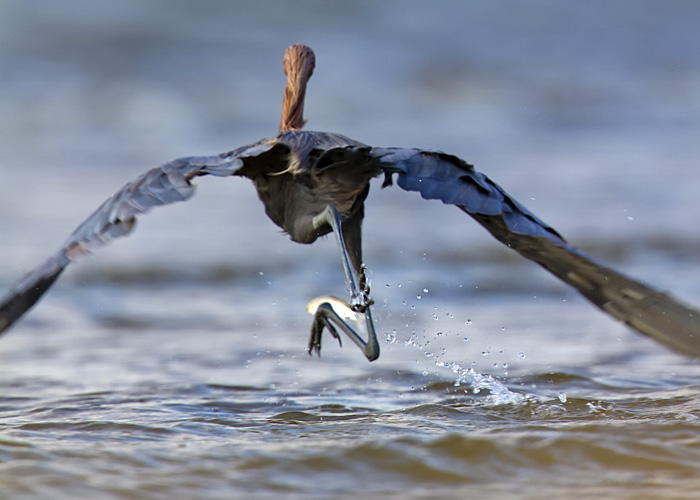
1/400 sec @ F7.1, ISO 400, evaluative metering, + 1 exposure compensation
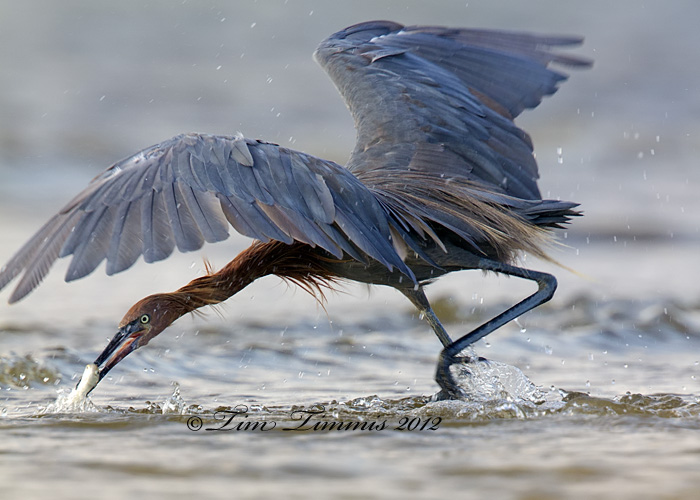
1/500 sec @ F7.1, ISO 400, evaluative metering, + 1 exposure compensation
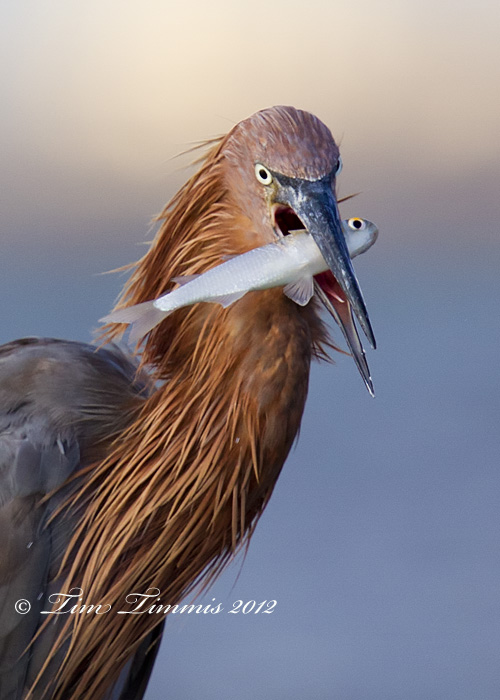
Down the Hatch, Reddish Egret Style
Found this Reddish Egret chugging down a fish at Bolivar Flats. Faster shutter speed would have been good but I’ll take it. Ended up chopping off his feet in the original shot so I cropped the photo to this perspective.
Taken with Canon 7D and Canon 500mm F4 IS II, 1.4X III teleconverter, mounted on Skimmer ground pod/Wimberley head.
1/640 sec @ F7.1, ISO 400, evaluative metering, + 1 exposure compensation
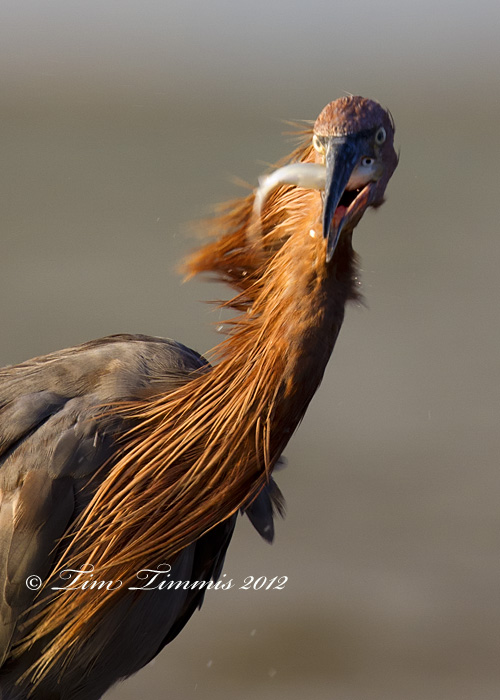
1/640 sec @ F7.1, ISO 400, evaluative metering, + 1 exposure compensation

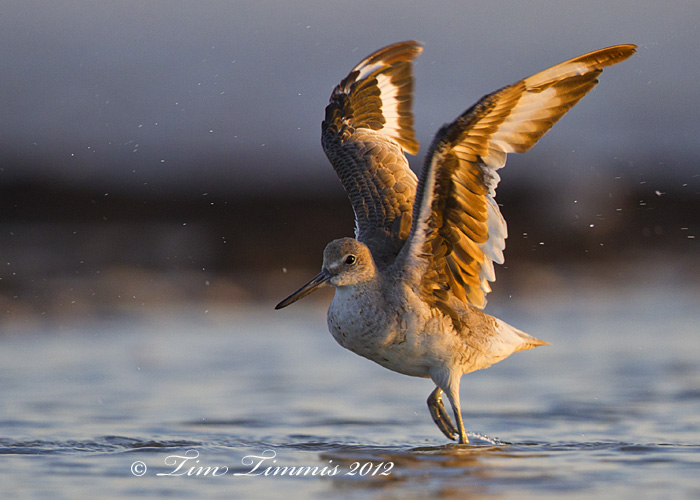
Willet with Wings Extended
Here is the full series of my recent Willet encounter at Galveston Island. After you are around these birds for a while you learn their behavior and can be ready for the action shot. After they take a bath, they flap their wings to dry them off. Always a good opportunity to get a shot of their colorful wings, which aren’t evident when they are just walking around. You would think that they are kind of boring looking until you see them in flight. They tend to be my go-to shorebird as they always seem to be around and are fairly cooperative, especially when you lay down to shoot them. They will come within a few feet of you before noticing that you don’t belong on the beach.
Taken with Canon 7D and Canon 500mm F4 IS II mounted on Skimmer ground pod with Wimberley gimbal head.
1/1250 sec @ F4, ISO 400, spot metering, +1/3 exposure compensation
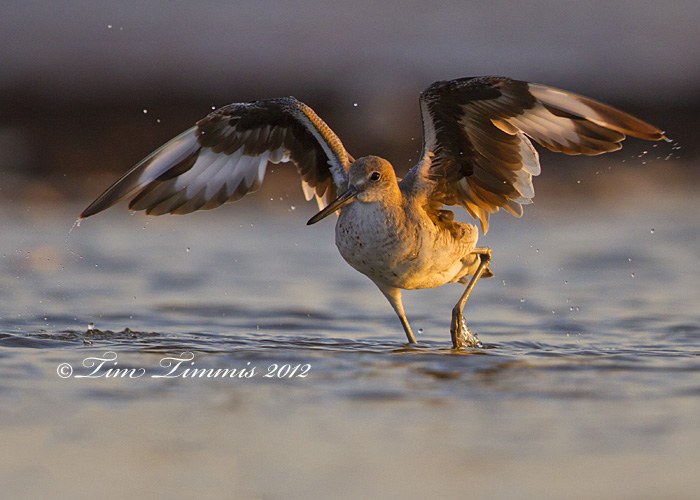
1/1250 sec @ F4, ISO 400, spot metering, +1/3 exposure compensation
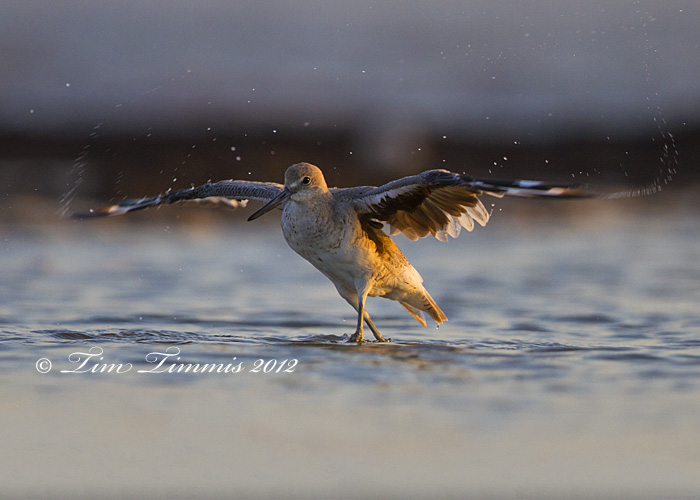
1/800 sec @ F4, ISO 400, spot metering, +1/3 exposure compensation
Reddish Egret Close-ups from Bolivar Flats
After five months, finally made it back to my favorite location for shore bird photography, Bolivar Flats. The high tides in the morning have kept me away but went back today to continue to test out my Canon 500mm F4 IS II lens. Very glad that I went as there was more action than anticipated, including several Reddish Egrets. Used the 1.4x III yesterday at Galveston and today at Bolivar. Didn’t even take the bag along to put the teleconverter in, which ended up being a mistake as one of the Reddish Egret’s was too close for 700mm. Had to settle on head shots several times. Ended up missing some great fishing sequences because that he was too close. Live and learn. The teleconverter worked well but the focus would hunt with busy backgrounds. Ended up using all focus points on the close up shots when he would go for the fish. I’ll post some of the action shots later. I’m going to have some fun with this lens.
Taken with Canon 7D and Canon 500mm F4 IS II with 1.4x III teleconverter, mounted on Skimmer ground pod with Wimberley gimbal head. These are all close to full frame shots.
1/640 sec @ F7.1, 700mm, ISO 400, evaluative metering, +1 exposure compensation, AV mode

1/1250 sec @ F7.1, 700mm, ISO 400, evaluative metering, +1 exposure compensation, AV mode

1/800 sec @ F7.1, 700mm, ISO 400, evaluative metering, AV mode
Canon 7D + Canon 500mm F4 IS II
Patience pays in wildlife photography from stalking your subject to waiting to upgrade your equipment. After 6 years of using my Canon 100-400 lens, I finally got the new Canon 500mm F4 IS II lens. It was pre-ordered from B&H back on May 28th and arrived on August 1. Of course I took the next two days off of work to test it out in the field. I’ve been dreaming of getting a 500 for six years so I wasn’t going to waste any time just looking at it. Also got the 1.4 EX III teleconverter and the full Wimberley head. I love my 100-400 and have had good success with it but it was time to crank it up a few notches and expand my horizons with a longer, higher quality lens. The following first impressions are based on using the 500 on my Canon 7D camera.
After I almost hugged the UPS guy who delivered it (I said almost), I ended up taking the stereotypical photos of unboxing the lens, just because it’s the law. Next steps involved taking comparison photos of it alongside my trusty 100-400 and putting on the camo lenscoat. I felt bad for my 100-400 as it now looks very puny in comparison. It has big time lens envy. Cheer up little buddy, you will still be my go-to lens for airshows.

My first impression, other than it’s much larger than my 100-400m (well duh), is that it feels lighter than I expected. I knew that they had reduced the weight by 1.5 lbs from the previous version but it seemed very light compared to the size. Getting the lenscoat on the lens took a few minutes to get all of the pieces in place. Looks and feels great. I replaced the lens foot with a RRS replacement foot which is lower profile and lighter. I then mounted the lens on my new Wimberley head to see how it worked before heading out the next morning. The full Wimberley head works great and feels much smoother than the Wimberley Sidekick gimbal mount that I was using with the 100-400 lens.
Day 1 – Field Test
Headed out to Brazos Bend State Park before sunrise. Got my gear assembled in the parking lot and headed down the trail with my tripod slung over my shoulder, asking myself did I get everything tightened down well enough? Although the new lens is lighter than its predecessor, it still weighs 7 lbs and is much heavier than my old lens. Definitely could feel the weight difference on my shoulder. I left the flash off as my new flash bracket section to attach to the Wimberley head was going to be delivered that day.
My first subject was a Green Heron. First impression of the lens in action was that the focus is very quick and F4 is going to be great compared to F5.6 of my old lens. Getting decent shutter speeds that early in the morning is going to open up some possibilities that I didn’t have before. The Green Heron wasn’t doing much so I moved on.
Next stop along the trail found several juvenile Purple Gallinules walking around in a group of lily pads. Had some initial issues with trying to find the subject with the longer fixed lens compared to my 100-400. When I looked through the lens for the first few times, the birds were always above where I was initially aiming, although it didn’t take long to get used to that.
Moved down the trail and found 8 juvenile Little Blue Herons fishing. That gave me a chance to practice action and flight shots with the new lens. I ended up not attaching the 1.4x teleconverter as the birds were too close to use it, which is a good thing. Didn’t have any problems using the new lens while keeping up with the action. It felt very natural and easy to maneuver on the Wimberley head. Could track the birds in flight without any problems. Caught a couple of whistling ducks doing a fly by and quickly locked focus on them. Had the usual challenges with keeping the white birds properly exposed with changing light conditions but no issues with the lens. Had to use the manual zoom feature of the new lens, i.e. my feet, a few times when the birds were too close.
Ended up spending about 2.5 hrs at Brazos Bend the first day and my first impressions were great however, more practice and testing would be required. Good excuse to go out the next two days as well.
1/1600 sec @ F4, ISO 400, spot metering

1/1600 sec @ F5.6, ISO 250, spot metering

Day 2 – Field Test
Went back the next day to Brazos Bend to practice some more. Met Doug at the park to check out his new camera and got a pleasant surprise when Sheldon showed up. The birds weren’t as cooperative as the day before so I got more hiking in and my shoulders felt it by the end of the trip. We did come across a somewhat stubborn Alligator lying near the trail that didn’t want to move. He did open his mouth a few times for some decent shots and gave me the opportunity to take the lens off of the tripod and tried lying down on the ground with it to get some full frame eye level gator shots. It balanced fairly easily on my elbows. Wouldn’t want to do it for a long period but it worked fairly well. Made me want to head to the beach to try out the lens with my ground pod, which was on the agenda for the next day.
I did attach the 1.4X III teleconverter but didn’t use it much as the birds were too close to effectively use it. First impressions are still pending on the teleconverter.
AV, 1/5000 sec @ F4, ISO 400, evaluative metering

AV, 1/500 sec @ F5.6, ISO 200, evaluative metering

Day 3 – Field Test
Headed to Galveston Island to break in the lens properly with some sand and salt water at the Gulf of Mexico. Went to East Beach near the jetty and broke out the ground pod. Wanted to go to Bolivar but high tides in the mornings this time of year make Bolivar an unattractive option for low-level photography. Not much was happening at East Beach each except for a few Willets near the shoreline. Laid down for about ½ hr on top of some piled up dead seaweed to try out the lens with the Wimberley head mounted on my Skimmer ground pod. The combo worked great. This is where the lens will really shine for me with the narrow depth of field and better blur on the backgrounds. The narrow depth of field with this lens will take some getting used to. I used to shoot my 100-400 wide open most of the time at F5.6. Can’t shoot everything at F4 or the bird may not be in focus over his whole body, depending on how close that he is. It will take some practice to get used to the required settings to use for different situations. The challenge with using a ground pod is that it’s difficult to keep it level so you have to level the shot in the camera view finder by loosening the tripod collar knob and manually rotating the lens to the level position. It takes a little more effort doing it with the larger lens than with my 100-400 lens.
After shooting from the prone position, got up and wandered down the beach to try out some hand-held flight shots. Again, the lens focused very quickly and worked well. It is definitely hand holdable but I wouldn’t want to do it all day. Had no problem holding the lens for about ½ hour while shooting terns and pelicans.
Left the beach and headed to the Texas City Dike looking for black skimmers that were nesting there last year at this time. No skimmers around but ended up finding a couple of cooperative American Oystercatchers at the dike and shot them out the car window while hand holding the lens. One was walking along the edge of the dike on the rocks so I followed him with the car. Got nearly full framed shots. The light wasn’t ideal but it was a great opportunity to try out the new lens. Note to self: put your beanbag back in the car.
1/1250 sec @ F4, ISO 400, spot metering, +1/3 exposure compensation

AV, 1/2000 sec @ F5.6, ISO 400, evaluative metering, +2/3 exposure compensation
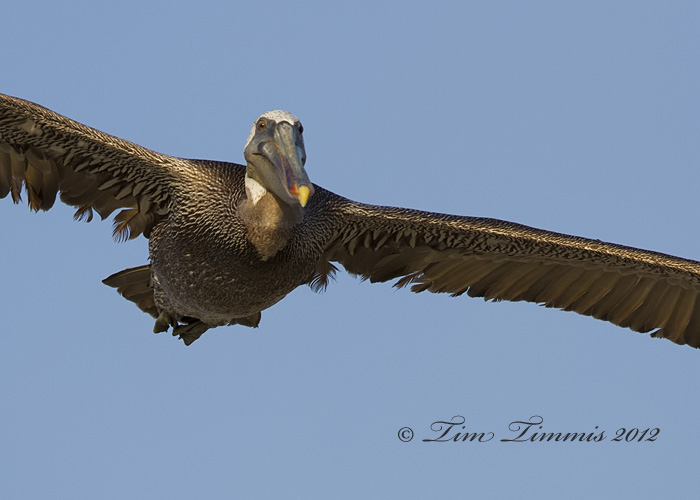
1/1250 sec @ F4, ISO 250, spot metering, +1/3 exposure compensation
First Impressions – Summary
- It’s very sweet lens (that’s a technical term) and a keeper
- Focus is quick and accurate
- F4 is great for early morning photography
- Lens is light enough to hand hold but I’ll still use a tripod/ground pod most of the time
- Only used IS mode 1 so far and need to test modes 2 & 3
- Extra reach of the 500mm lens compared to my 100-400mm lens is going to be very nice with the ability to use the 1.4x to get to 700mm
- Works great with the full Wimberley head
- Narrow depth of field will take some getting used to but will lead to some great photos, especially from the prone position
- Blurring of backgrounds is excellent
- Having a high quality lens won’t make you a good photographer. It can help to improve the quality of your shots but it’s still up to you to be at the right place at the right time to get the shot in the right conditions/lighting and properly expose the photo
- I’m very lucky to live in SE Texas
- I’m going to have lots of fun!
Osprey Carrying a Fish
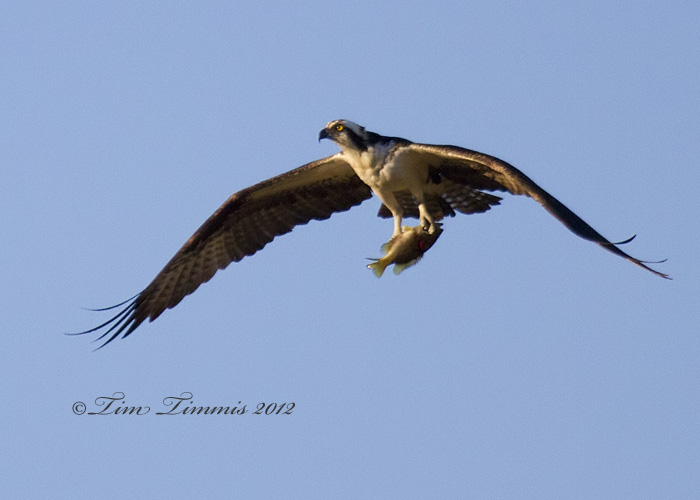
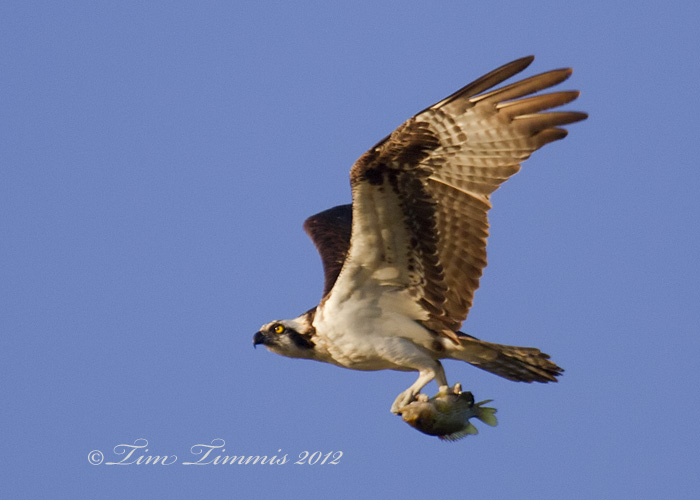
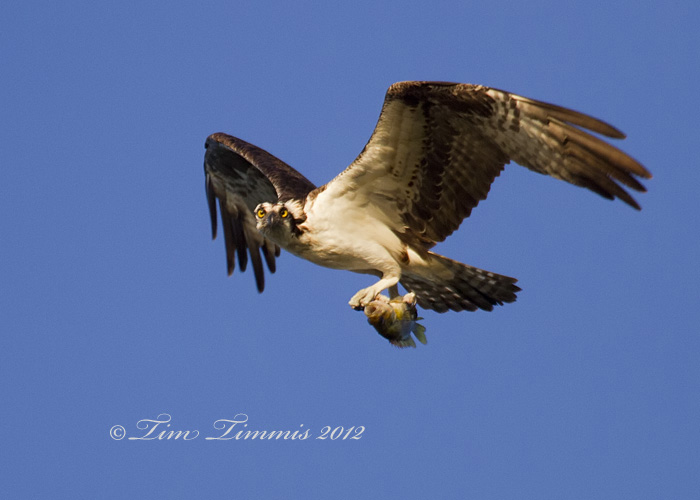
Here are some shots of an Osprey carrying a fish on the way back to his nest. I was too far away from the next to get a decent landing shot but he was very cooperative on the way there.
Taken with Canon 7D and 100-400 lens, hand-held
AV, 1/2000 sec @ F5.6, ISO 400, evaluative metering, + 1/3 exposure compensation
AV, 1/1250 sec @ F5.6, ISO 400, evaluative metering, + 1/3 exposure compensation
AV, 1/1600 sec @ F5.6, ISO 400, evaluative metering, + 1/3 exposure compensation

Sandhill Crane Take-off
Found a few Sandhill Cranes on my trip to Indiana. Caught this one in a taking off sequence with this shot being the best with a some back lighting through the wings. Taken hand-held out the car window.
Aperture priority, 1/800 sec @ F5.6, partial metering, ISO 400

Wildlife Family Outing to Remember
You never know what you’ll see on the back roads of Indiana. I was driving around trying to find wild turkeys and found a whole family in the middle of the road along with a doe and fawn in the background. I was able to turn the car and get this shot out the window before they went into the woods. Not the greatest shot but a family outing that I couldn’t recreate if I tried
Taken with Canon 7D and 100-400 lens out the car window.
1/100 sec @ F5.6, ISO 400, partial metering, + 1/3 exposure compensation


Finalist in Art Morris Photo Contest
Made the finals in the Art Morris international photo contest in the “Pleasing Blur” category. Thanks Art. Close but no cigar, as they say. Tied for 4th. I’m very happy to get that far but was hoping for even more after seeing the scores from the public voting (which didn’t count) before they announced the winner. Got the second most votes from the public, which is very cool. Incentive for me to try again next year. More blurs to come on this blog…
You can check out my photo and the scores at the link below. My shot was the “skimming skimmer”.

Osprey in Morning Light
Found my favorite Osprey’s while on vacation back in Indiana in their usual location. Caught this one doing a fly by when the sun was coming up.
Taken with Canon 7D and 100-400 lens, handheld
1/800 sec @ F 5.6, evaluative metering, +1 exposure compensation, ISO 400

Nasby Dam Pano
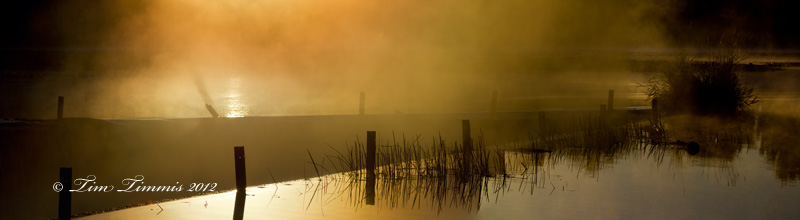
Here is another shot of Nasby Dam in Indiana. This time I stitched together a few shots in Photoshop CS5 to generate this panoramic photo. Gives you a better perspective of this V-shaped dam. Anytime that you can mix fog and sunrise lighting is a good day.
Taken with Canon 7D and 100-400 lens.
My Bolivar Flats Article in Texas Explorer Magazine
I’ve got another article published in Texas Explorer magazine. This time it’s about Bolivar Flats, which is my favorite location for shorebird photography, if you haven’t noticed by now. I’ll be a regular contributor to the magazine. Thanks again to George Hosek for the opportunity.
Nasby Dam
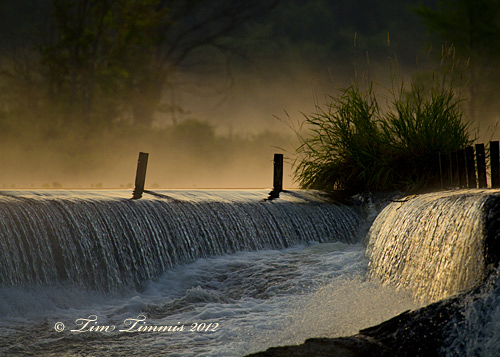
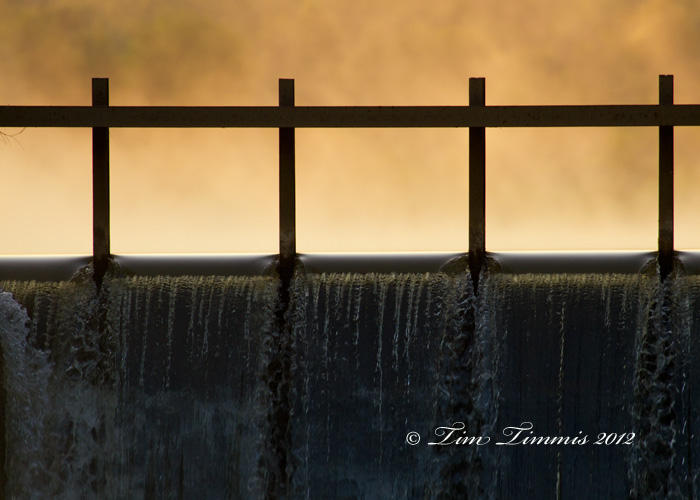
Made the annual trip up north to visit family in Indiana last week and got to shoot at one of my favorite spots, Nasby Dam. It’s a very small V-shaped dam on the Pigeon River near Mongo, IN. Took advantage of the golden light and fog at sunrise to get these shots.
Taken with Canon 7D and 100-400 lens, handheld


Cardinal
Another shot from Brazos Bend, this male cardinal was hanging out on the spillway bridge against a decent background. They are very flighty birds, go figure, and somewhat difficult to get them standing still very long to get a decent shot. I’d like a more natural perch but he wasn’t taking direction very well.
Taken with Canon 7D and 100-400 lens on tripod with Sidekick gimbal mount.
1/160 sec @ F5.6, spot metering, + 1/3 exposure compensation, ISO 400, no flash

Purple Gallinule
I alway enjoy seeing Purple Gallinules at Brazos Bend State Park. The are very colorful and who doesn’t love their oversized yellow feet? This one was having a little trouble balancing on the weed. Always a good time.
Taken with Canon 7D and 100-400 lens on tripod with Sidekick gimbal mount
1/640 sec @ F5./6, Iso 400, spot metering, + 1/3 exposure compensation, no flash

Spoonbill Silhouette
Here is another, yes another, Spoonbill silhouette from High Island, TX. This time there were some interesting clouds in the sky that gives this silhouette a more dramatic look.
Taken with Canon 7D and 100-400 lens mounted on tripod with Sidekick gimbal mount
1/8000 sec @ F5.6, ISO 400, spot metering, + 1/3 exposure compensation

Spoonbill Partial Silhouette
Here is what I’d call a partial silhouette of a Roseate Spoonbill from the High Island rookery. The body is dark but the wings are back-lit. It works for me. My plan was to go back this weekend but a little too much jet lag from recent trip kept me from wanting to drive 1.5 hrs to High Island.
Taken with Canon 7D and 100-400 lens on tripod with Sidekick gimbal mount, no flash.
1/2500 sec @ F5.6, ISO 400, spot metering with +2/3 exposure compensation

What’s Under My Wing?
This Cattle Egret appears to be asking that question. Another shot from High Island’s rookery in early morning light with a little fog in the air.
Taken with Canon 7D and 100-400 lens on tripod with Sidekick gimbal head.
1/640 sec @ F5.6, ISO 250, spot metering with +1/3 exposure compensation
Winged Silhouette
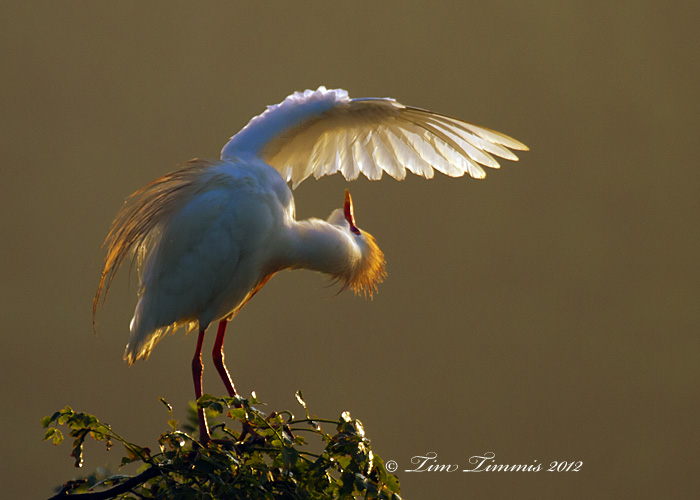
Caught this Cattle Egret with a silhouette of his head visible though his wing with the early morning back lighting at High Island. It’s always one of my goals when shooting back-lit shots is to get this effect. I’ve gotten shots of Great Egrets doing this but this is a first for me with a Cattle Egret. Had a blast last Friday. It was a very nice change of pace to not have any clouds at sunrise.
One of my favorite photo’s of the year so far. More to come….
Taken with Canon 7D and 100-400 lens on tripod with Sidekick gimbal mount.
1/800 sec @ F5.6, ISO 250, spot metering, +2/3 exposure compensation
 Tim Timmis Photography