
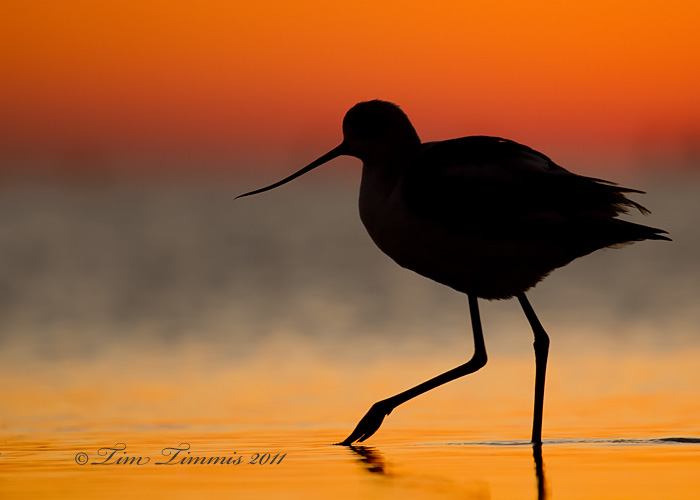
Avocet Silhouette
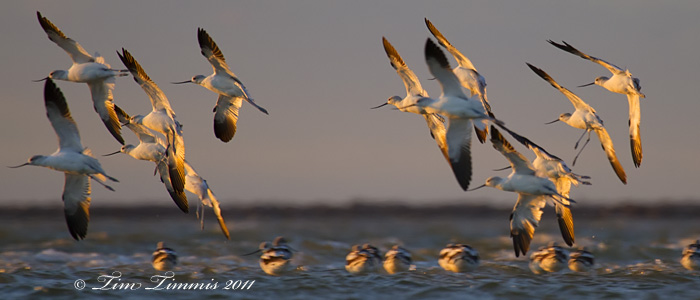
What a difference a little sun can make. Nice change of pace from the cloudy weather lately. Found several hundred Avocets feeding yesterday at Bolivar Flats. The tide was low and it was prime time for Avocet photography. I guessed where they were heading and laid down and waited for them to come to me, which is the best way to get close to these birds. Ended up about 20 to 30 ft from a large group of them as they strolled by. Took this one right at sunrise.
Taken with Canon 7D and 100-400 lens on Skimmer ground pod
1/1000 sec @ F5.6, ISO 500, evaluative metering, + 1/3 exposure compensation, no flash
Some Favorites from 2011
Here are some of my favorite wildlife photos from 2011. Had a great time in 2011 and can’t wait for what 2012 will hold.





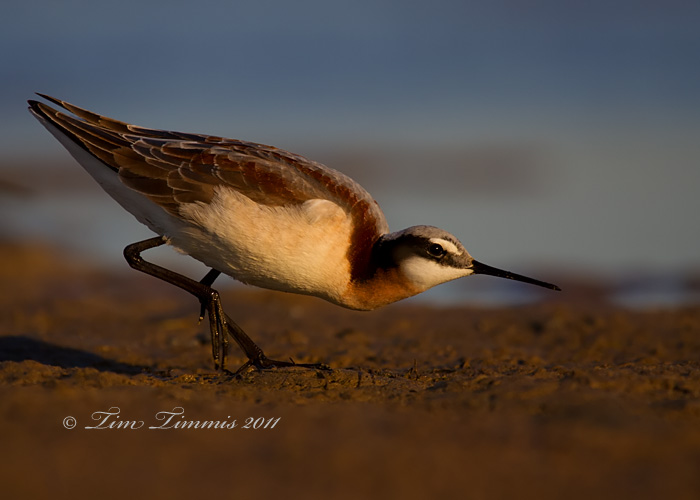
Wilson’s Phalarope Catching an Insect
Here are a couple full frame shots of a Wilson’s Phalarope taken at Bryan Beach, TX earlier in the year. My first time seeing one of these little guys. They were moving very fast and darting everywhere. I didn’t know what they were trying to catch until I got home and saw the second photo.
Taken with Canon 7D and 100-400 lens on Skimmer ground pod.
1/1600 sec @ F5.6, +2/3 exposure compensation, spot metering, ISO 250
1/2000 sec @ F5.6, +2/3 exposure compensation, spot metering, ISO 250

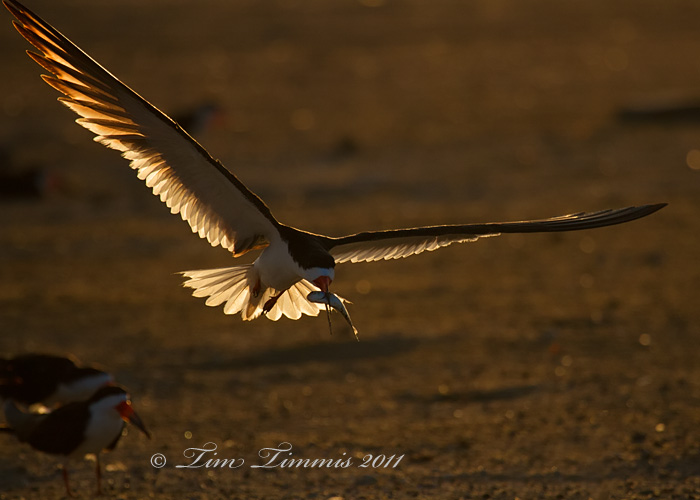
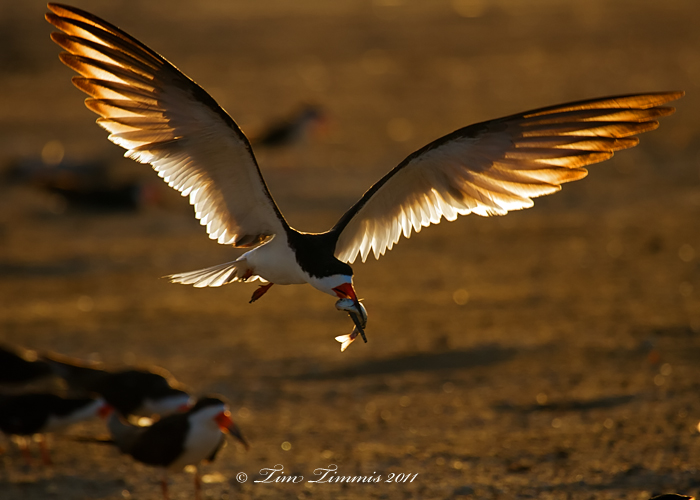
Skimmer Sushi on the Fly
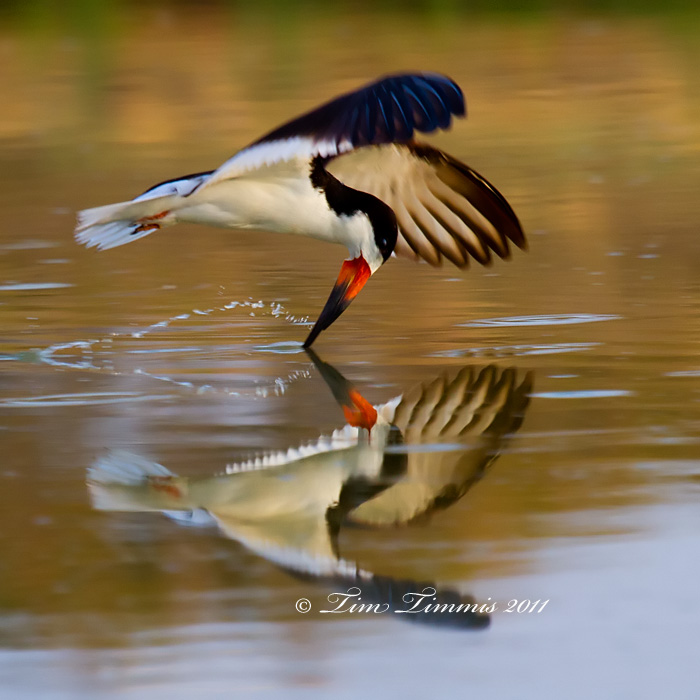
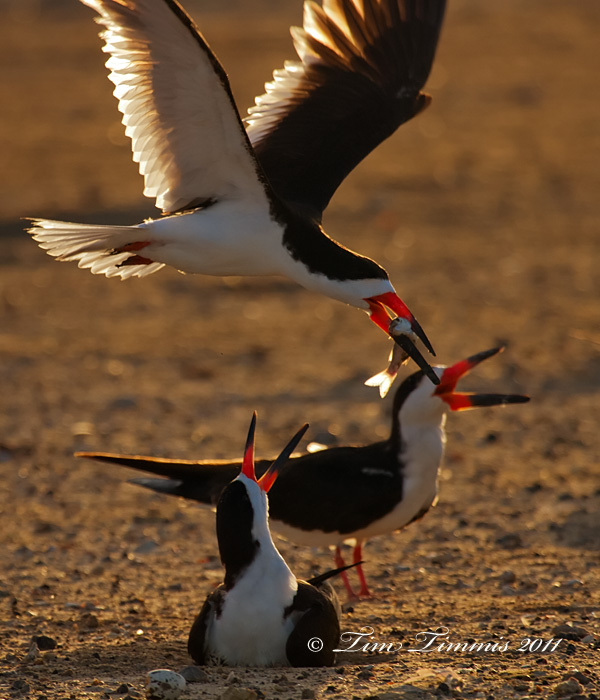
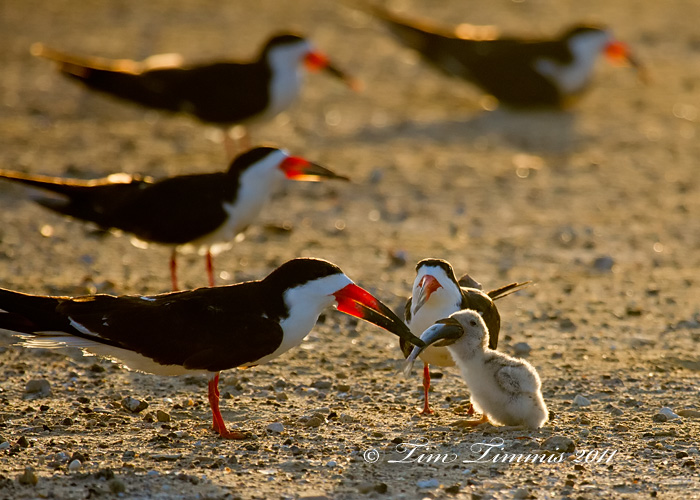
Here are a few Black Skimmer shots from August at Texas City Dike. The Skimmers were nesting and the action would start when one parent would bring fish back to the youngsters. Took these out the car window in the early morning hours. Most are full frame shots.
Taken with Canon 7D and 100-400 lens

Teaching Classes at 2012 Galveston FeatherFest
A few months ago, I was invited to teach some workshops at the 2012 FeatherFest in April. I’ve been a major fan and participant in Galveston’s FeatherFest over the past few years with winning a few photo contests along the way, so obviously I accepted the invitation. Thanks Barbara. My workshops will concentrate on what I know best: shorebirds, lighting and getting down low. Below is a summary of what I’ll cover in the workshops.
The FeatherFest website has been updated with registration underway. I’d encourage everyone to check out the different workshops and field trips. Hope to see some of you there!
http://www.galvestonfeatherfest.com/
“Photography from a Bird’s Perspective“

This workshop will show you how enhance your bird photos by getting down to the bird’s level for a more intimate/dramatic perspective. I’ve been using these techniques for the past several years and I’m not satisfied with most of my “standing” shots anymore. You will be amazed at how close you can get to the birds when you aren’t standing up. We will discuss what equipment to use and how to use it to get the best low-level shots. I’ll share some of my favorite local locations that provide great opportunities to try out these techniques. Below is the basic agenda for the workshop.
- Perspectives from a “birds eye view”
- Equipment to use
- Techniques/Tips
- Local Locations to get down low
- Slide Show of some of my low-level shots
“It’s All About the Light”
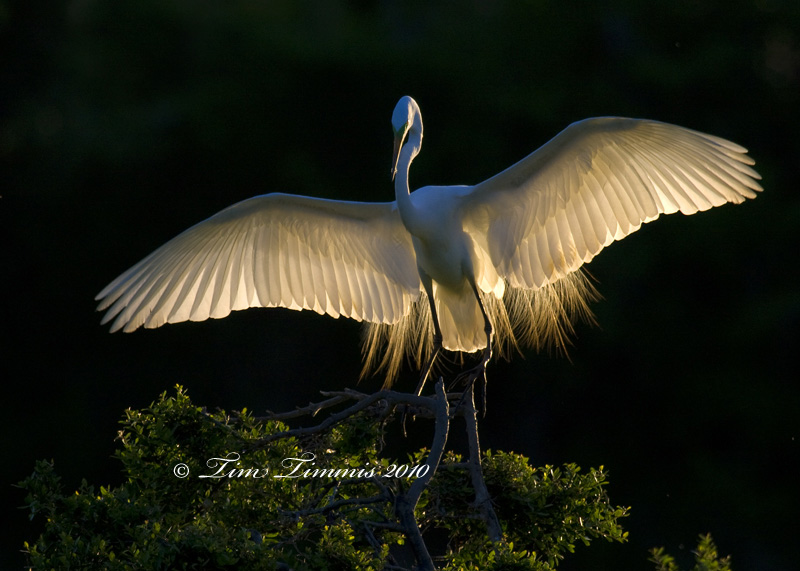
This workshop will focus on how to get dramatic natural lighting in your bird photos. You will learn how to take advantage of shooting in the “golden hour” and by using back/side lighting and silhouettes. You will also learn how to use fill flash using a better beamer flash extender. Below is the basic agenda for the workshop.
- Types of lighting in bird photography
- Getting “golden light” photos
- Silhouettes
- Back lighting
- Side lighting
- What to do on cloudy days
- Fill flash using better beamer flash extender
- Camera settings
- Exposure control
- Techniques/Tips
- Slide Show
“Shorebird Photography”
This workshop will focus on taking photographs of shorebirds. We will review what equipment to use and how to use it effectively including getting the proper exposure in-camera instead of relying on post processing software to adjust the exposure. This is critical when taking pictures of white birds. I’ll share some of my techniques and tips on finding the birds, how to get close to them and how to get the actions shots. We will also discuss where some of my favorite local locations are to find shorebirds. Below is the basic agenda for the workshop.
- Equipment to use
- Camera settings
- Exposure control
- Techniques/Tips
- Getting close to the birds
- How to get action shots
- Local Locations
- Slide Show
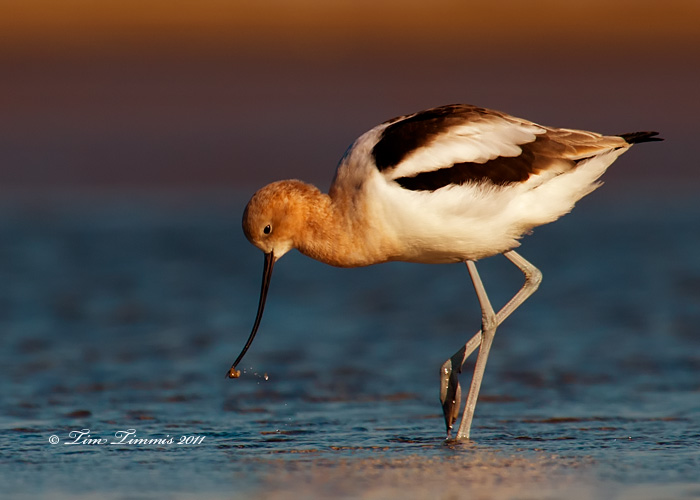
Thanksgiving Avocets
Started celebrating Thanksgiving early this year by heading to Bolivar about 4:45 a.m. before the rest of the family rolled out of bed. The stars were almost completely aligned for this trip except for the sun, which didn’t come out. Low tide and a flock of cooperative Avocets made for a great morning. My goal was to head to my favorite spot for some golden light photos but with no sun and a flock of Avocets near by, a change of plans was in order. The Avocets were about 50 yds off shore feeding next to a sandbar which was still under water by a few inches. Waded out in their direction and got down on my knees to take some initial test shots. Didn’t like what I was getting with being too high and the fact that the birds wouldn’t get close to me unless I was in the prone position. Debated on what to do next as the water was still covering the sand bar. Decided to get wet and laid down in the water in their path as they made their way towards me. My ground pod, which looks like a heavy-duty frisbee, immediately filled up with salt water but the level stayed below my ballhead, except when a few rogue waves came in.
The Avocets would feed and then walk up on the sand bar and then circle back into the water for more feeding. With the lack of sun, I had to crank up the ISO to 1600 for some shots and still had fairly slow shutter speeds so these came out a little soft. Having morning sun would have made all of the difference in the world but you have to take what you can get.
Didn’t try using fill flash initially just in case they got spooked by it. When I did try it, the flash wouldn’t work, of course. I’ve been known to not charge or leave the batteries at home but not this time. Had to take the flash off and put it back on the camera to get it to function, which was a little tricky while laying in water and trying not to let the birds see me. They eventually got very close to me and I had to zoom out to keep them in the frame. Most of these shots are close to full frame with only being cropped for pano’s.
When I stood up, it took a few minutes for my coat to drain from the sleeves before I could pick up my camera to keep it from getting covered in salt water. A little messy but well worth the effort and clean-up.
Taken with Canon 7D and 100-400 lens mounted on Skimmer ground pod.
1/160 sec @ F5.6, ISO 1600, spot metering, +1 exposure compensation, no flash
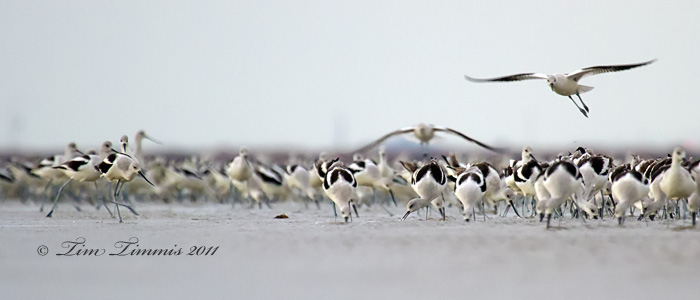
1/160 sec @ F5.6, ISO 1600, spot metering, +1 exposure compensation, no flash

1/200 sec @ F5.6, ISO 1600, spot metering, +1 exposure compensation, no flash

1/200 sec @ F5.6, ISO 1600, spot metering, +1 exposure compensation, no flash

1/200 sec @ F5.6, ISO 1600, spot metering, +1 exposure compensation, no flash

1/250 sec @ F5.6, ISO 1600, spot metering, +1 exposure compensation, no flash

1/200 sec @ F5.6, ISO 500, spot metering, no flash

1/500 sec @ F5.6, ISO 1600, spot metering, no flash

1/320 sec @ F5.6, ISO 400, spot metering, +2/3 exposure compensation, no flash

It’s all about the light…
Lighting can really make a bird photo stand out. I’m a big believer in breaking the rule of only taking photos with the sun at your back with full light on the front of the subject. To me, back or side lighting is much more dramatic. It can give the subject much more depth and interest.
Case in point is this little Sanderling from Bolivar. I was trying to get some shots of a flock of Avocets near by while I was laying on a sand bar with my ground pod. The Avocets weren’t in a good position for a decent shot so I changed my focus on the little shore birds right in front of me. Got this little guy with some side light and was able to get the proper exposure in the camera using spot metering. I would have been better off using manual exposure as he moved very quickly and I lost exposure when the camera metered off of the sand and not the white part of the bird. Got lucky with these two that I like with the catch light in his eye.
Taken with Canon 7D and 100-400 lens with ground pod
1/2500 sec @ F5.6, spot metering, +2/3 exposure compensation, ISO 400, fill flash with better beamer

1/1250 sec @ F5.6, spot metering, +1/3 exposure compensation, ISO 400, no flash

Golden Willet
Another Willet shot taken in the early morning golden light. If you haven’t figured it out yet, I kind of like the golden light eary in the mornings. Makes getting up at 4:00 a.m. worth it.
Taken with Canon 7D and 100-400 lens on Skimmer ground pod.
1/1250 sec @ F 5.6, spot metering + 2/3 exposure compensation, ISO 400, no flash

Avocets Landing in Golden Light
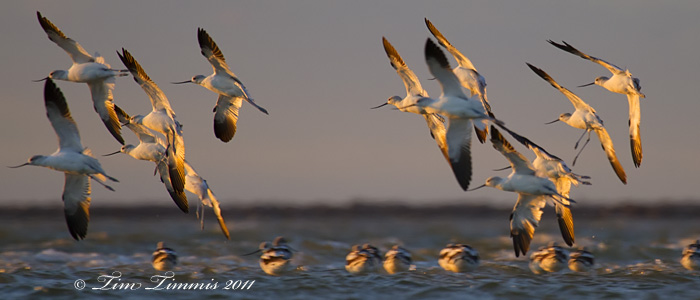
Here is a group of Avocets coming in for a landing showing some golden light on their wings. Taken shortly after sunrise at Bolivar Flats. I was crawling towards a group of Avocets at the end of a sandbar when several small groups would fly in and land near the other group. I could see the golden light reflecting of their wings and took bursts of shots when they would bank just before landing.
Taken with Canon 7D and 100-400 lens on skimmer ground pod
1/400 sec @ F5.6, ISO 500, spot metering + 2/3 exposure compensation
Willet Action
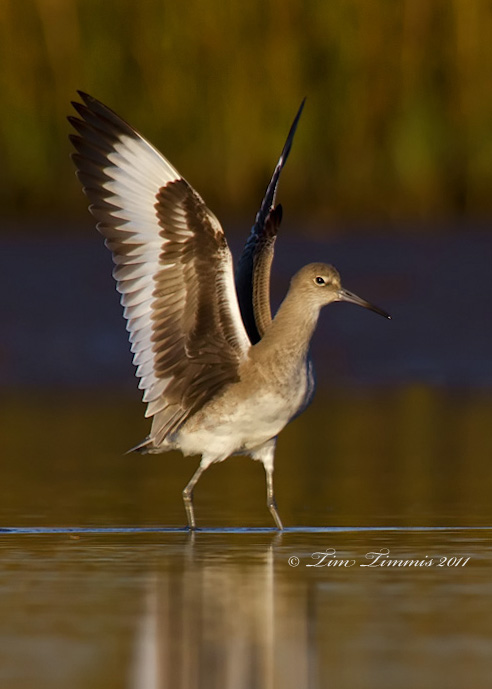
Here are a few Willet shots from last weekend at Bolivar Flats. Positioned myself near a grassy area to get some decent light with the grass reflecting on the water. The Willets were accommodating as usual with low tide and the temp in the 40’s at sunrise. Captured the shots with his wings extended as he was coming in for a landing. Tracked him from a distance and squeezed off a burst as he landed. Willet wings are quite dramatic on the underside compared to the top. They are not a colorful shorebird but really change the contrast when they open up their wings.
Taken with Canon 7D and 100-400 lens on ground pod.
1/1000 sec @ F5.6, ISO 250, spot metering with +2/3 exposure compensation
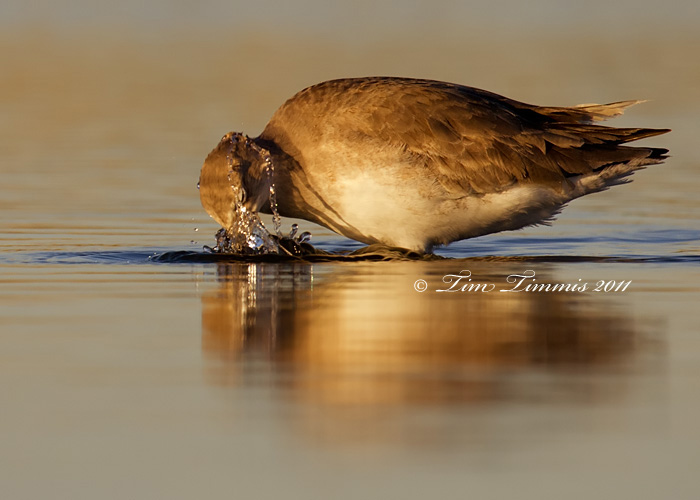
1/800 sec @ F6.3, ISO 250, spot metering with +2/3 exposure compensation

1/1000 sec @ F6.3, ISO 250, spot metering with +2/3 exposure compensation
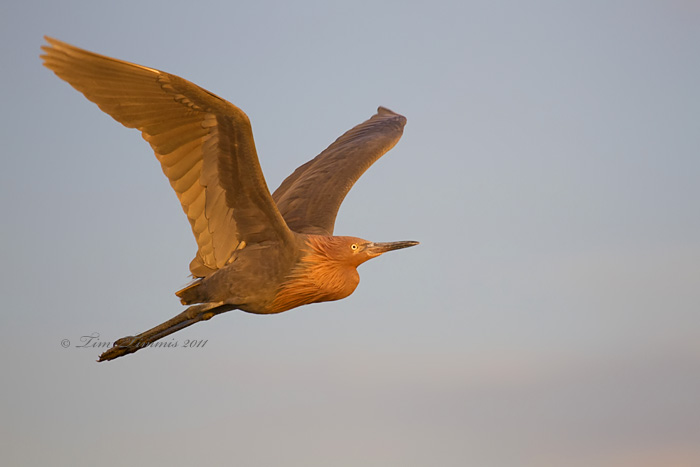
Reddish Egret BIF
Here are some flight shots of a Reddish Egret from Bolivar Flats. These are full frame frame shots without any cropping, which is rare for me on flight shots. I was moving from one sand bar to another to try to sneak up on some birds and was on my knees walking in the water when this egret flew over me. I didn’t have time to zoom out which worked for these shots but I ended up clipping some wings on some others.
Taken with Canon 7D and 100-400 lens, hand-held
1/800 sec @ F5.6, spot metering, +1/3 exposure compensation, ISO 400, no flash


Bolivar Weekend
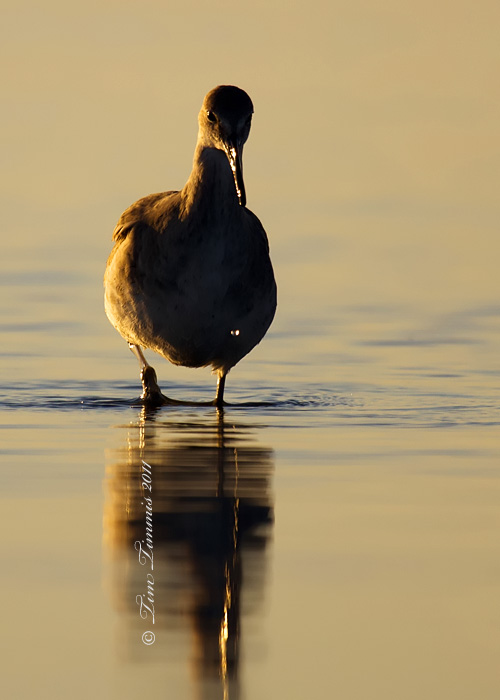
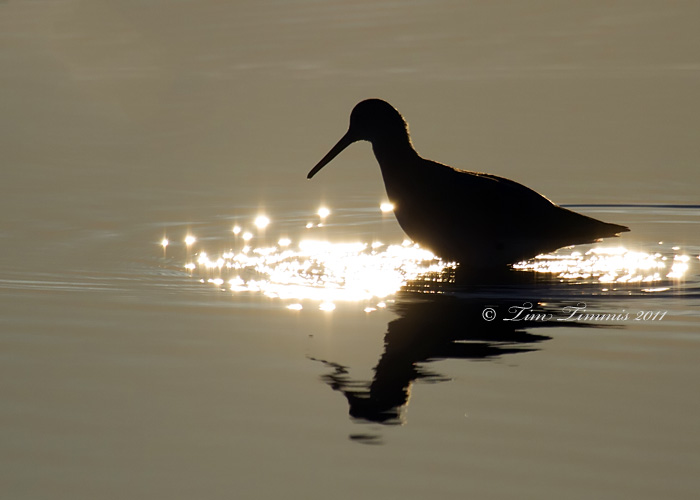
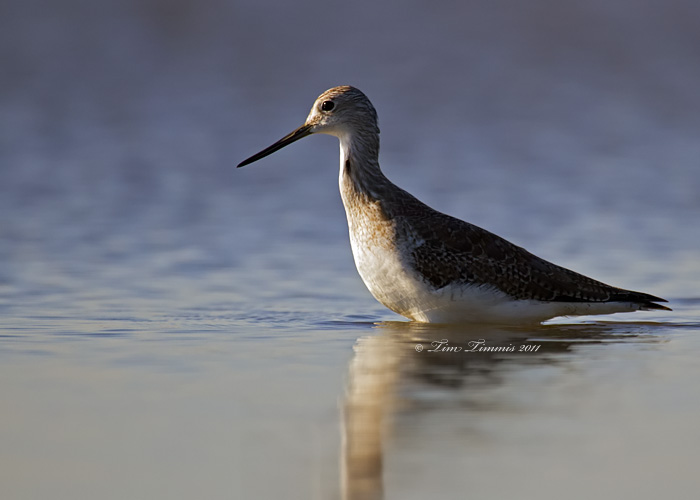
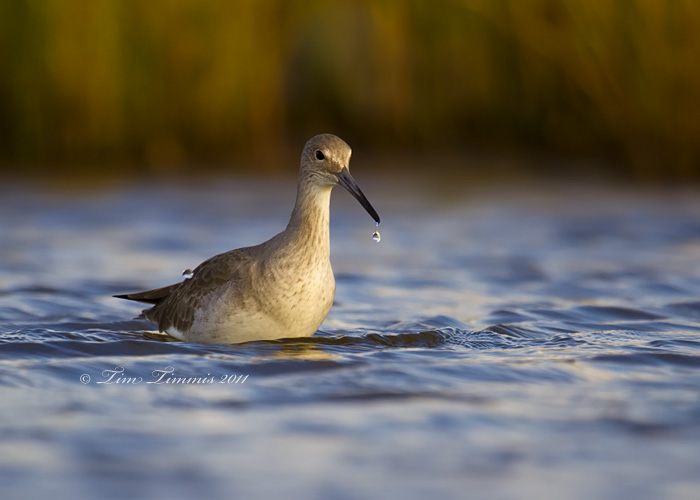
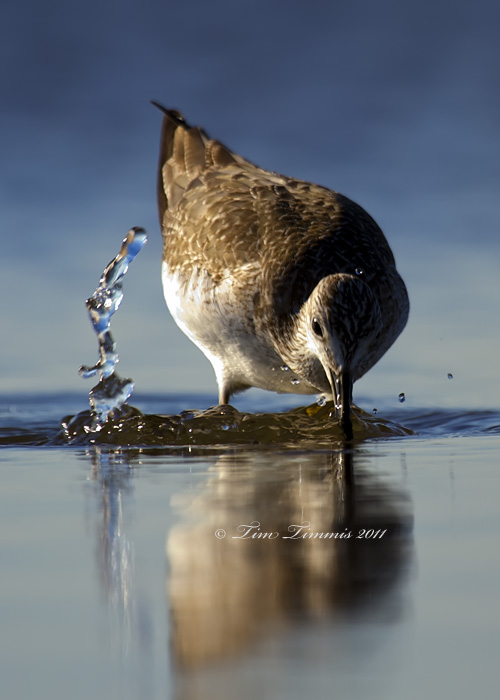
Bolivar is finally cooperating with low tides in the morning. I’ve been waiting months for this so I spent Sat and Sun mornings at the coast. It was just cool enough on Sat at 46 deg. to break out the neoprene waders and winter coat for laying in the wet sand. The only problem was that I forgot to bring my ground pod on Sat. Had to improvise and go old school to prove that you don’t need a ground pod to shoot from the prone position. But it really does help. Ended up spending 3 hours laying down handholding my camera with ye old elbows buried in the sand. It wasn’t too bad until my elbows worked their way down into the sand and the hole filled up with salt water, which of course dripped all over my gear when I finally stood up.
Anyway, the birds were out and it was a great weekend. Here are a few Willet and yellow legs shots.
All taken with Canon 7D and 100-400 lens.

Wings Over Houston Airshow 2011 – part II
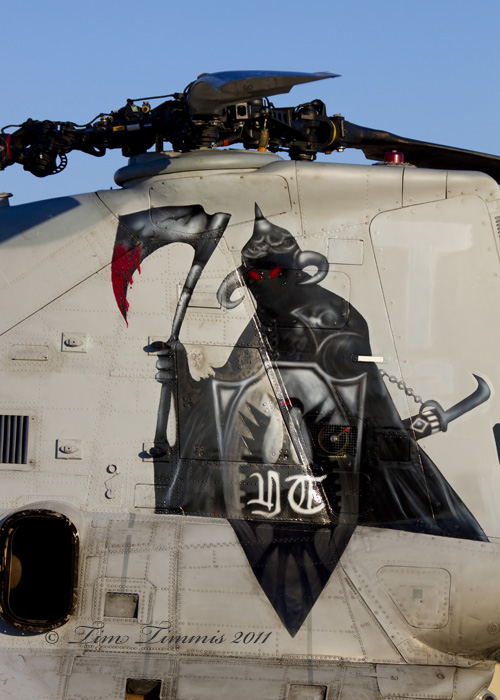
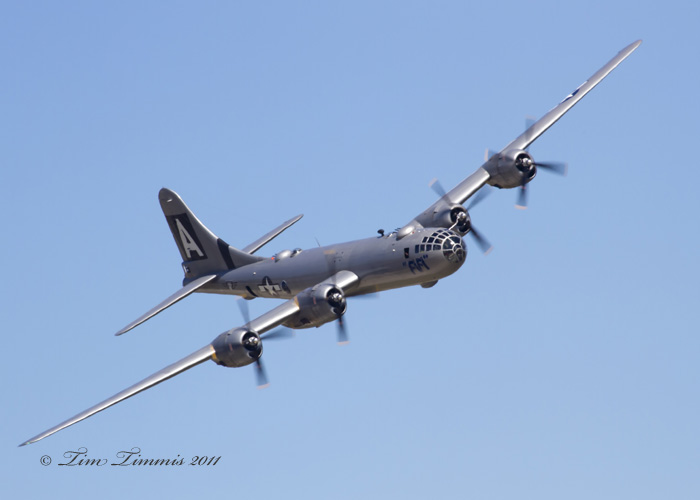
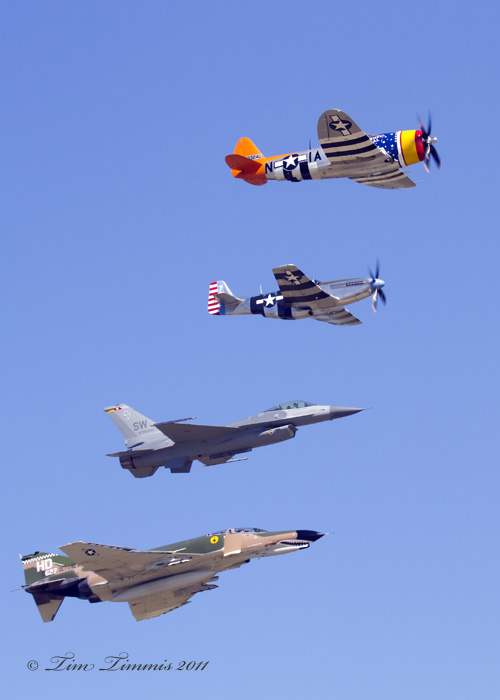
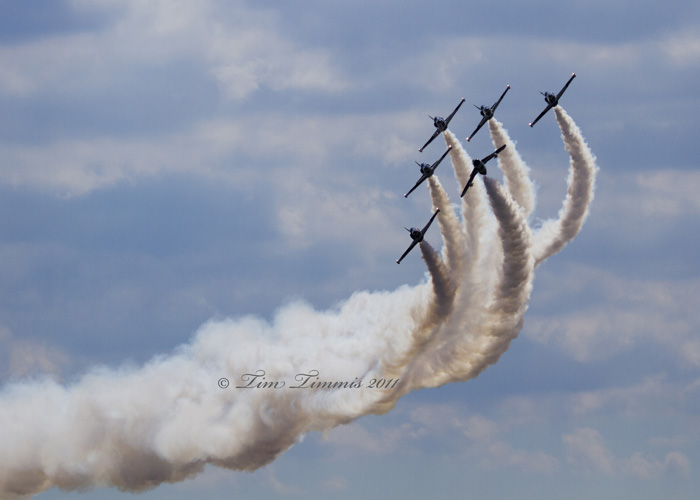
Here are a few more shots from the Wings Over Houston airshow this year. Took a ton of shots, as always, and it has taken me a while to go through them all. I’ll put some descriptions on them later.




Wings Over Houston 2011
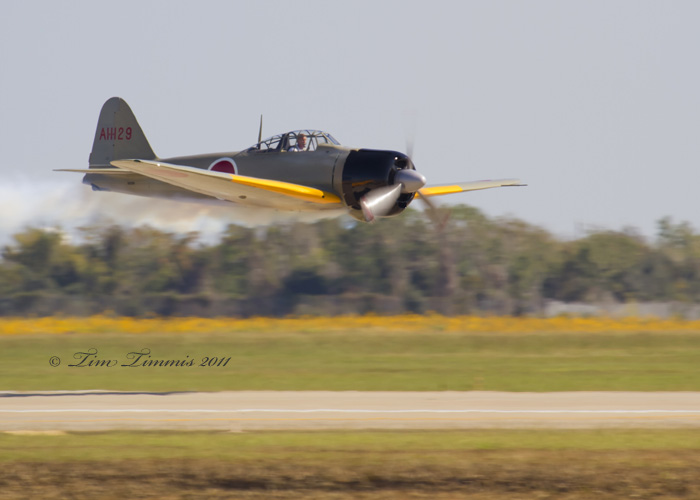
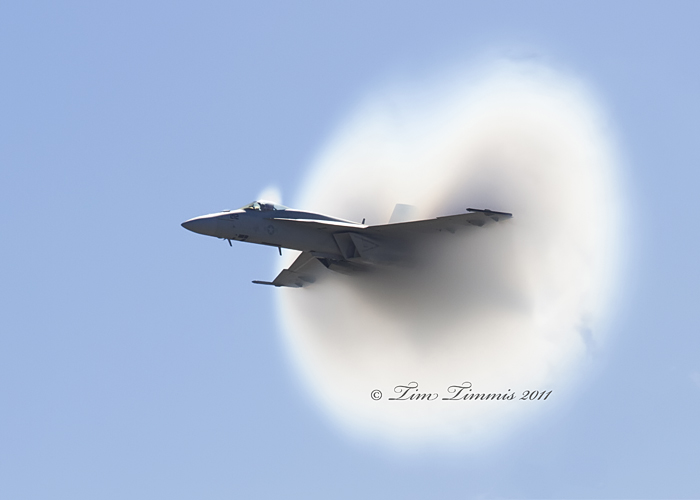
Had a great time at Wings Over Houston this year. It’s always good to see the warbirds along with the modern jets. One of my goals this year was to try to get a vapor cone shot of the F18 as it approached the sound barrier. Didn’t think that there would be enough moisture in the air but it was much better than last year. Ended up getting the shot. Also spent some quality time early in the morning shooting the static displays with some decent morning light. Used a combination of spot metering and negative exposure compensation to get the look that I wanted. I’m also very pleased with the B-25 bomber as it was passing through the smoke. Good times….
All taken with Canon 7D and 100-400 lens, handheld
B-25 bomber passing through smoke from pyro bombs.


F4U Corsair with wings up


Japanese Zero

Mig 17 at take-off with after burners on

F-18 just under sound barrier
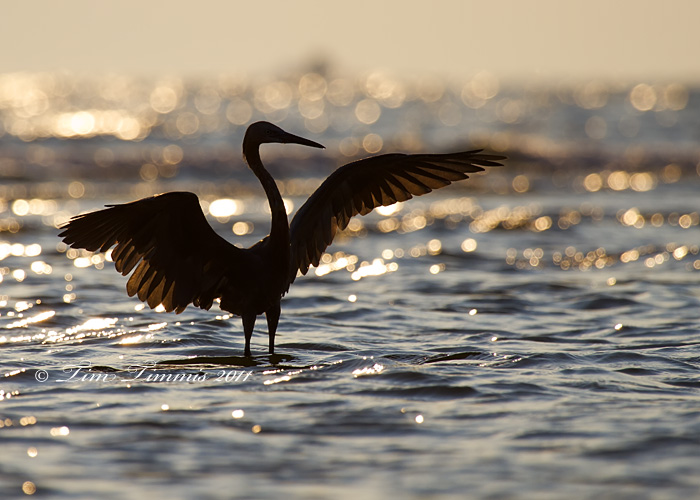
Yet Another Reddish Egret Silhouette
Yes, my silhouette addiction continues. Here is another Reddish Egret silhouette from Galveston, TX. Taken during the “golden hour” after sunrise. I was taking photos of a white morph reddish egret and a regular reddish egret at the same time but I’m pretty sure that this one is the regular reddish egret…I think. A good problem to have I guess with the variety of birds in SE Texas.
1/1600 sec @ F6.3, ISO 200, partial metering, +2/3 exposure compensation, no flash
Wings Over Houston Airshow
It’s October which means it’s almost time for the Wings Over Houston airshow, which is my favorite weekend of the year. Dug these photos out of the archives from last year to get me in the mood for another airshow. I’m bummed this year that the F22 Raptor won’t be flying as originally planned but they do need to concentrate on getting it flying again safely after the stand down.
Last year was a good time with the Thunderbirds back again. I spend Friday afternoon at the end of the runway and all day Sat/Sun at the airshow. Long days but a very good time. Here are some tips for the airshow based on my experience.
Logistics: I like to get there early when they open to get a spot along the fence for clear access to shots of the Tora Tora Tora explosions. I usually take the park and ride bus from Bay Area Blvd. They start running at 7:30 a.m. It gets you there when they open the gates at 8:00 a.m. and gets you back to the lot after the show, bypassing some of the traffic without you having to worry about parking. Recommend taking a folding chair to set up along the fence when you first get there to save your spot and then walk around the area to get some early morning light shots of the static displays. Just remember to put your name on your chair to make sure that you can find it again, speaking from experience. The gates open at 8:00 a.m. and they start flying around 10:00 a.m. with the main act around 3:00 p.m. They have plenty of food booths around for feasting during the show.
Camera Equipment: I typically just take my camera and 100-400 lens without a camera bag. They won’t let you in with a large bag but I’ve seen people with camera backpacks get in without any problem. I just like to travel light and don’t want to worry about keeping track of a large bag. I use as small Think Tank pouch on my belt to hold a spare battery, memory cards, sunscreen and a poncho if it looks like rain. Make sure that you take plenty of memory cards as it’s easy to take tons of shots. Don’t bother with taking a tripod, which isn’t practical to use at an airshow.
Camera settings: When shooting the planes going by, just consider them large birds and use some of the same techniques as birds in flight. For jets, use a fast shutter speed to freeze the action and crank up the exposure compensation to get a good exposure against the bright sky. I usually use aperture priority with the aperture wide open and +2/3 to +1 exposure compensation. Check the histogram after the first pass and adjust the exp. compensation to get the correct exposure. For WWII prop planes, I use shutter priority to use a slow shutter speed down to blur the props. The zero’s have a faster prop speed than most of the rest of the warbirds. I typically start with 1/320 sec for most of the prop planes and speed it up a little to 1/400 sec. for zero’s. Helicopters require much slower shutter speeds to blur the blades.
The shot to try to get is the F-18 high-speed pass when it gets very close to the sound barrier. If there is enough moisture in the air you can get a shot of the vapor cone that forms around the aircraft. The air was too dry last year so no luck with the cone but I’ll be trying again this year. It’s a challenge to judge the timing to catch the cone but try to maintain focus on the plane as he is coming towards you and then start shooting when he gets to the right of show center. Just don’t miss it as you will have only one chance. Good luck.
Here is a link to the airshow website. http://www.wingsoverhouston.com/
F-16 Thunderbird taken near the end of the runway along Hwy 3
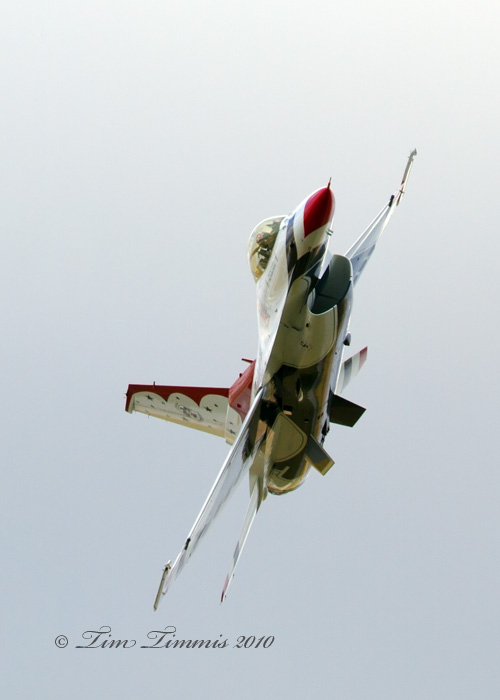
F4U Corsair doing a fly over at the end of the runway

Another end of the runway shot on Friday of an A-10 Warthog
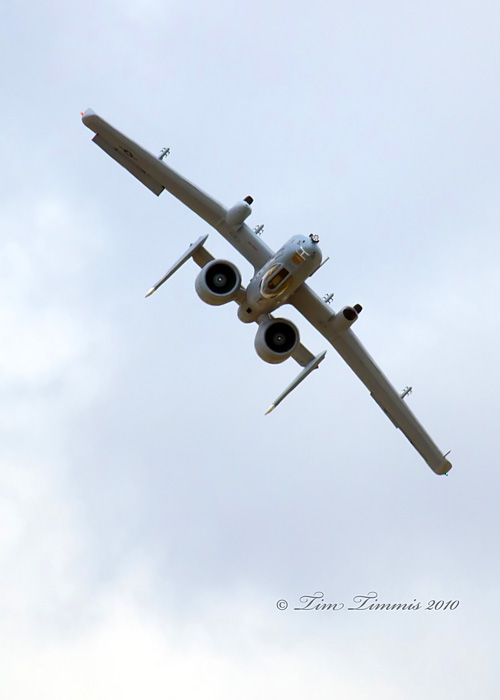
Photo of a Japanese Zero with a B-17 in the background.

Action shot during the Tora Tora Tora exhibition.

B-17 flying fortress

B-24 bomber, if memory serves me correctly

Thunderbirds in action

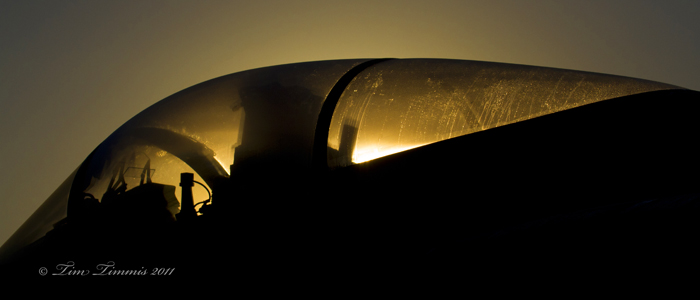
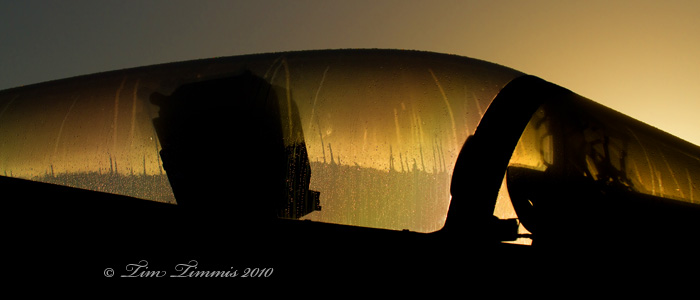
Early morning light on cockpit.
Zero being chased.


Chopper at sunrise.

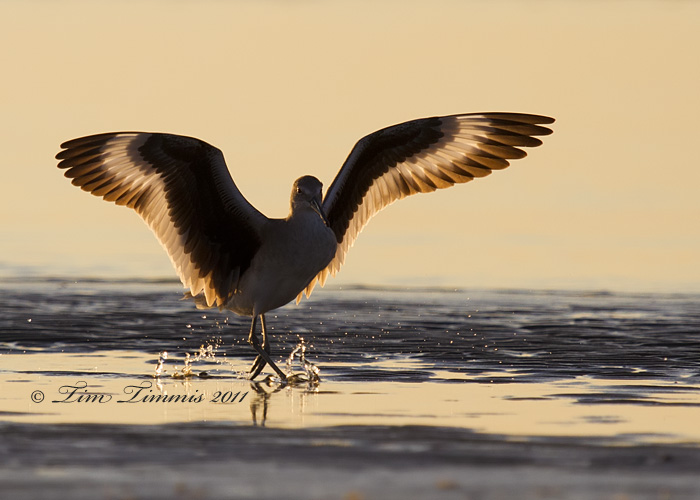
Willet Landing
Caught this Willet in landing mode with wings spread and morning light shining through his wings. Another good reason to break the rules sometimes and shoot into the sun. One of my favoring things to do. Taken at Bolivar Flats in TX.
Canon 7D and 100-400 lens on Skimmer ground pod
1/1250 sec @ F5.6, partial metering, +2/3 exposure compensation, ISO 200, no flash
Back to Bolivar
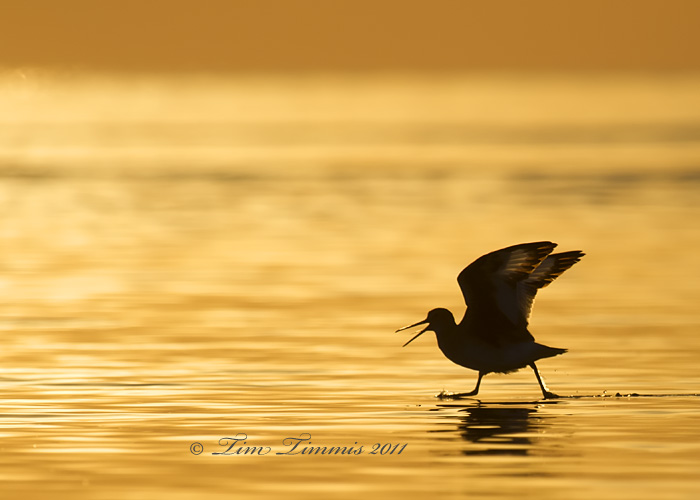
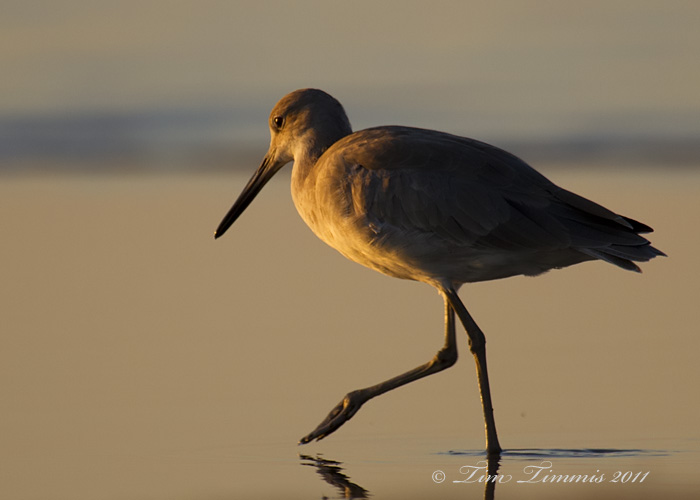
Finally made a trip back to Bolivar Flats to check out the shorebirds last weekend. It’s been several months since I’ve shot any bird photos there so it felt great to go back. The best time to shoot at Bolivar is at low tide when the sand bars are exposed, which hasn’t happened around sunrise for a very long time, including this trip. Decided to go anyway to see what I could get. Tons of people were there wade fishing and camping on the beach so conditions weren’t ideal. They also have the area beyond the beach at the vegetation roped off with signs to keep out so no luck with trying to find the falcons.
The day had its moments. Got there about 1/2 hour before sunrise and walked the full length of the beach before trying to take my first shot. My high intelligence level quickly alerted me to the fact that my battery was still in the charger at home. Luckily had a spare but it was in the car that was a few hundred yards away. Since it was about 10 minutes before sunrise at that point, I walked as fast as I could which did a number on my feet in the ‘ol rubber boots. Ended up getting two large blisters on my heels and ripped the skin off, joy. After about an hour of shooting, a group of 6 guys walked about 20 yds right in front of me in the water and scared all of the birds away. I just laid there and looked at them and they were oblivious. I just love people sometimes.
Ended up having to shoot from the beach the entire time with the tide being too high. Tried to take advantage of what I had to work with and took a combination of back and side lighting shots. Can’t wait until it’s winter with cooperative tides and no people around. It’s great out there when the temp’s in the 30’s.
Taken with Canon 7D and 100-400 lens on Skimmer ground pod

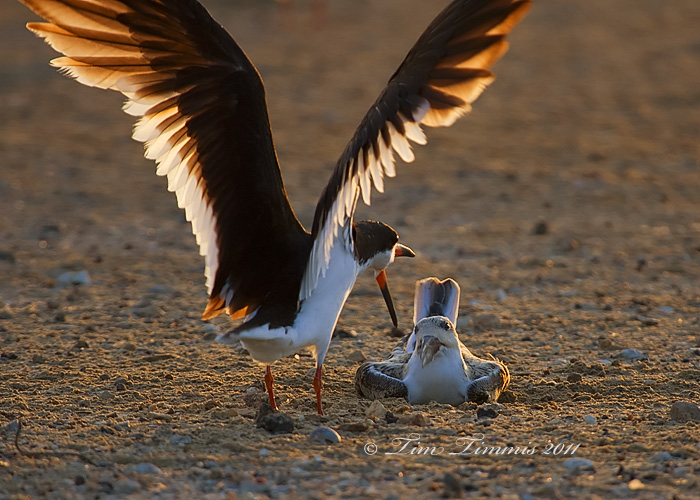
Kids Never Listen
Just like humans, Skimmer youngsters don’t like when they get a lecture from their parents. This young Black Skimmer was minding his own business when this adult came by to get in his face. Not sure if it was a parent or not but he didn’t want any part of it.
Taken with Canon 7D and 100-400 lens, out the car window using bean bag.
Distracting Backgrounds
One of the goals in wildlife photography is to get a clean background without distracting elements to isolate the subject and to keep the eye of the person looking at the photo from wandering off of the main subject. With experience, you will automatically look at the backgrounds while framing the photo so that you can get into the best position for the shot. unfortunately, it sometimes (or most of the time) doesn’t work out so well. Here is a shot that emphasizes the challenges of shooting in Galveston. This white morph reddish egret was dancing around and lo and behold, the shipping lanes came into play with das boat messing up the shot.

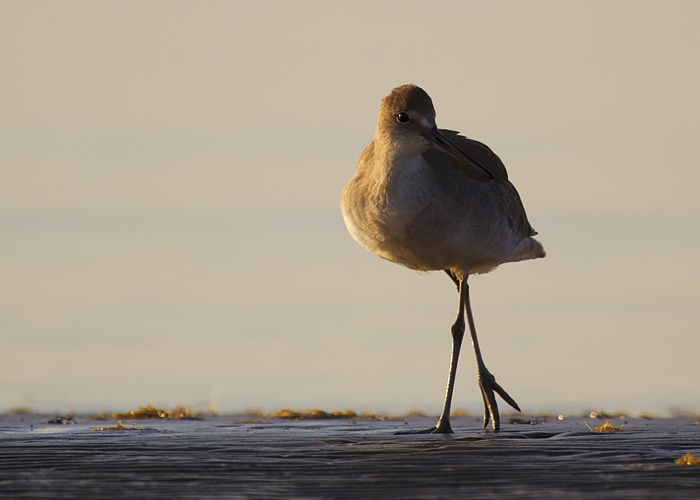
Willet Portrait
This Willet shot was taken on Galveston Island at East Beach. Felt really good to get down low to shoot birds. It’s been awhile.
Taken with Canon 7D and 100-400 lens, handheld
1/500 sec @ F5.6, +1 exposure compensation, spot metering, ISO 250

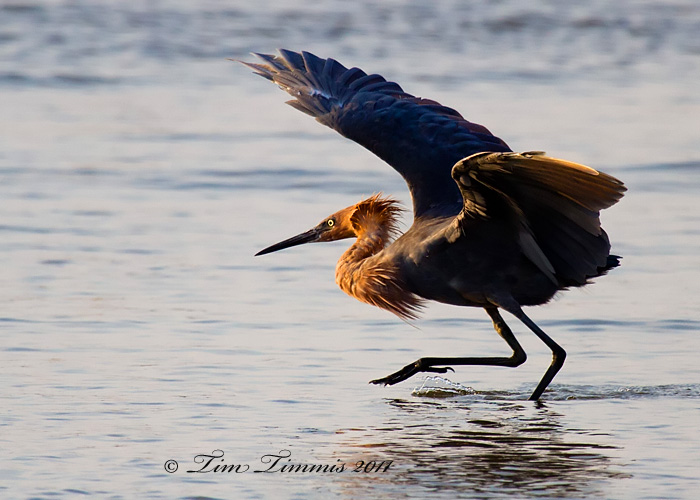
Reddish Egret Striking a Pose
One of my favorite shore birds is the Reddish Egret. They are fun to watch when fishing as they raise their wings up to scare the fish. They jump and fly around like a crazy person as they go after their prey. They put lots of effort into it but are usually successful. They can fish circles around nearby Great Egrets. I’ve seen Great Egrets follow the Reddish Egrets around and then steal their fish away from them.
This Reddish Egret was hanging out last weekend at east beach on Galveston Island. Initially was only getting silhouette shots of him and had to work my way around to get some better light. Gotta love the early morning light…at least I do…
Taken with Canon 7D and 100-400 lens
1/1,000 sec @ F5.6, ISO 400, spot metering, no flash, hand-held

1/1,000 sec @ F5.6, ISO 400, spot metering, no flash, hand-held
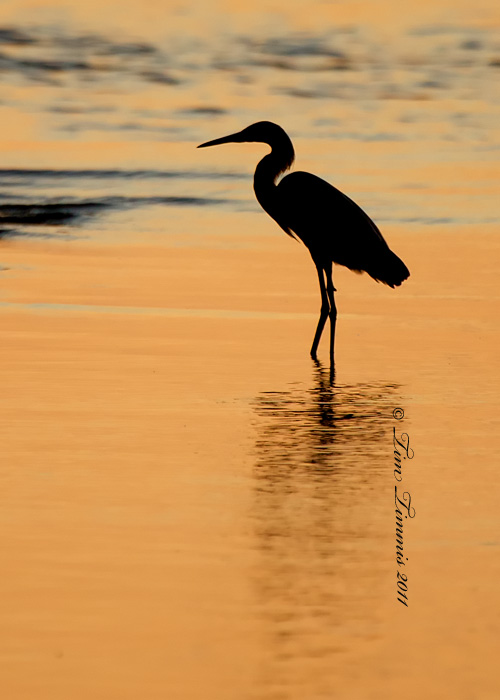
Reddish Egret Silhouette
Tried to go to the Texas City Dike this morning but it was closed due to a small oil spill – bummer. Tried to make the best of it by heading further south to Galveston. Was thinking about going to Bolivar but my gut told me to head to the east end of Galveston instead. As I drove along the east end, it was pretty dead so I decided to try east beach instead. I’ve learned to trust my gut when it comes to wildlife photography and this time it paid off. Got lucky with several Willets, a couple of White Morph Reddish Egrets and this Reddish Egret hanging around the jetty.
My original goal was to take some flight shots so I left the tripod and ground pod in the car, which ended up being a big mistake on my part. Ended up laying down and shooting hand-held for some of the shots. Haven’t had time to go through all of them yet but here is a silhouette of the Reddish Egret that I like.
Taken with Canon 7D and 100-400 lens
1/1250 sec @ F5.6, ISO 200, evaluative metering at +1/3 exp compensation, no flash
Nesting Skimmer
Found this Black Skimmer sitting on some eggs this past weekend at sunrise so I was obligated to take it’s picture. It’s the law…at least in my book. More to come
Taken with Canon 7D and 100-400 lens, hand held
1/2500 sec @ F7.1, spot metering, ISO 400, no flash

 Tim Timmis Photography