…morning light is magic…

Latest

Burrowing Owls

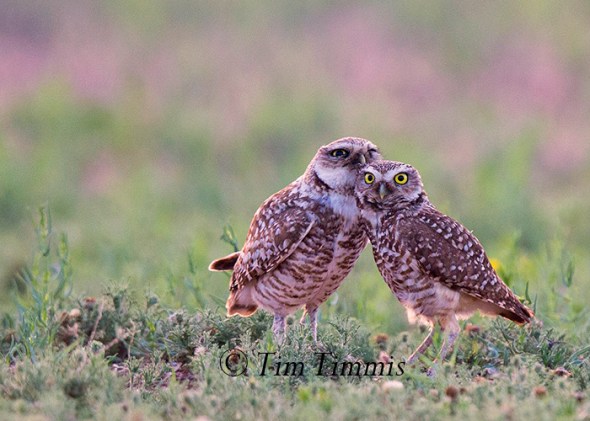
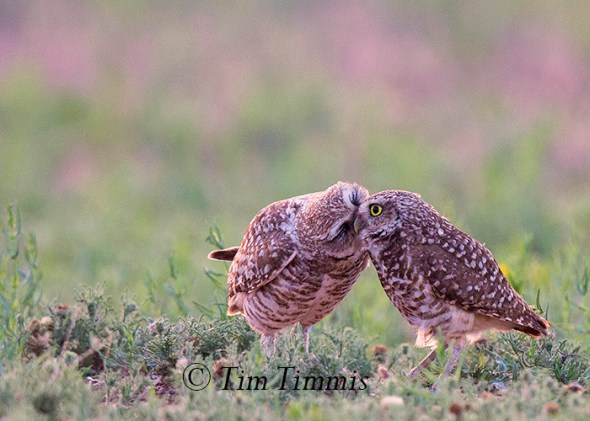
During my visit to Lubbock, TX a couple of weeks ago, saw my first burrowing owls while checking out the local prairie dogs.  They are very cute little owls with bright yellow eyes that use abandoned prairie dog burrows.

Pulled my car up along a fence line and shot between the rows of barbed wire out the car window.  It was lots of fun and I’m looking forward to going back again sometime in the future.

Taken with Canon 1DX and Canon 500mm F4 IS II with 1.4X III teleconverter, handheld out the car window

Aperture priority, 1/800 sec @ F6.3, ISO 1600, evaluative metering, +1/3 exposure compensation

027_Lubbock_05242016A-2

Aperture priority, 1/500 sec @ F5.6, ISO 2000, evaluative metering, +2/3 exposure compensation

258_Lubbock_05262016-3

Aperture priority, 1/400 sec @ F5.6, ISO 2000, evaluative metering, +2/3 exposure compensation

280_Lubbock_05262016-3

Aperture priority, 1/800 sec @ F6.3, ISO 1600, evaluative metering, +1/3 exposure compensation

060_Lubbock_05242016-3

My First Jackrabbit

Got my first jackrabbit photos while in Lubbock, TX this week.  They are actually hares and not rabbits and are much larger than the common cottontail with very large ears.  They almost look like a mutant with those large back legs/feet, which propels them very fast, up to 40 mph.

The first two photos were taken in partly cloudy conditions while I was getting photos of prairie dogs and burrowing owls out my car window.  He walked out right in front of me, very unexpected.  He sat down long enough for a few shots and then took off.

On the last two photos, he bolted out in front of my car as I was leaving the area.  Couldn’t get a good angle on him so got out of my car and got these photos hand-held as he crossed the dirt road.

Taken with Canon 1DX and Canon 500mm F4 IS II with 1.4X III teleconverter, handheld out the car window.

Aperture priority, 1/640 sec @ F5.6, ISO 2500, evaluative metering, +2/3 exposure compensation

374_Lubbock_05262016-4

Aperture priority, 1/800 sec @ F5.6, ISO 2500, evaluative metering, +2/3 exposure compensation

390_Lubbock_05262016-2

Aperture priority, 1/1600 sec @ F7.1, ISO 1600, evaluative metering

197_Lubbock_05242016-3

Aperture priority, 1/1600 sec @ F7.1, ISO 1600, evaluative metering

248_Lubbock_05242016-2


Reddish Egret Attacking Snowy Egret

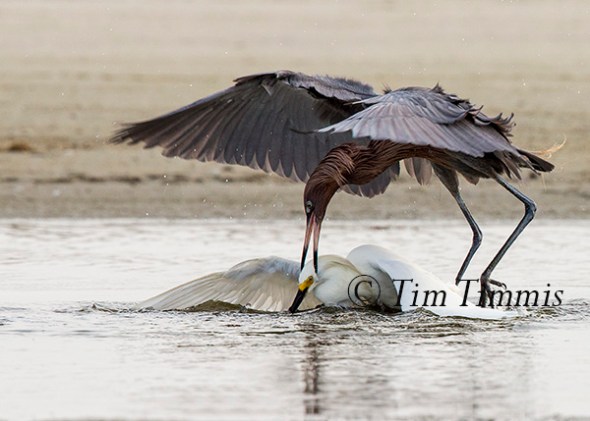
Reddish Egrets are very territorial and will usually chase off other birds that invade their feeding area.  This Snowy egret got more than he bargained for when the Reddish Egret attacked.  He quickly dove at the Snowy and grabbed ahold of his tail feathers, swinging him around.  He then grabbed the Snow’s head with his beak pinning him in the water.  The Snowy ended up escaping and didn’t come back.

Made for some exciting shooting with 37 photos in 3 seconds.

Previewed the last photo at a presentation that I made at the Houston Audubon Nature Photography Association on Wed night, which was also a great time.

Taken with Canon 1DX and Canon 500mm F4 IS II with 1.4X III teleconverter and a beanbag out the car window.

Aperture priority, 1/1000 sec @ F9, ISO 1600, evaluative metering, +1 1/3 exposure compensation

511_Texas City Dike_05142016-3

Aperture priority, 1/1000 sec @ F9, ISO 1600, evaluative metering, +1 1/3 exposure compensation

530_Texas City Dike_05142016-3

Aperture priority, 1/1000 sec @ F9, ISO 1600, evaluative metering, +1 1/3 exposure compensation

533_Texas City Dike_05142016-3

Aperture priority, 1/1000 sec @ F9, ISO 1600, evaluative metering, +1 1/3 exposure compensation

534_Texas City Dike_05142016-3

Aperture priority, 1/1000 sec @ F9, ISO 1600, evaluative metering, +1 1/3 exposure compensation

535_Texas City Dike_05142016-3


Reddish Egret Jackpot

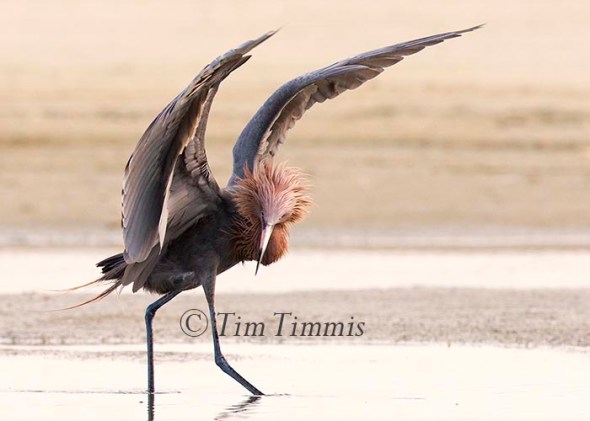
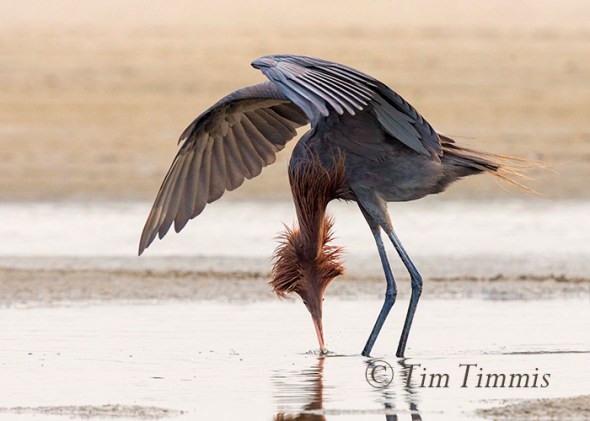
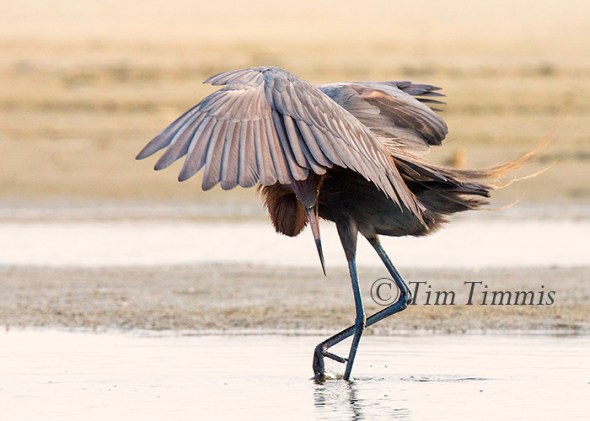
It’s been a very good year for Reddish Egrets in SE Texas.  Hit the jackpot on Saturday morning at the Texas City Dike.  My original plan was to head to Bolivar Flats with low tide and almost calm winds.  Luckily, I wasn’t feeling Bolivar and decided to head to the Dike instead looking for Oystercatchers.  It was a bust for Oystercatchers, which turned out to be a very good thing for me.

This Reddish Egret more than made up for it while fishing in a tidal pool area.  Spent about 45 min taking tons of photos of him out my car window as he moved back and forth catching small fish with his wings outstretched.  Had to switch my position once when a family pulled up and unloaded their car near me.  Finally left after the action slowed down and my thumb was getting sore from using the rear focus button.

A Snowy Egret also showed up to catch fish in the same area but the Reddish Egret was having none of that and attacked the Snowy.  More on that in my next post.

I could tell that this was a good outing by how many photos that I took and ended up saving.  In order to reduce how many photos that I have to store, I’ll rate them using Photoshop, by either 3 or 5 stars, and then quickly delete the ones that aren’t rated.  I’ll consider processing some of the 5-star rated shots with only a handful actually being processed.  A typical outing for me results in 25 to 50 top rated photos.  This was a very good day with 334 top rated shots.

Taken with Canon 1DX and Canon 500mm F4 IS II with 1.4X III teleconverter, using a beanbag out the car window.

Aperture priority, 1/1000 sec @ F9, ISO 1600, evaluative metering, +1 1/3 exposure compensation, 700mm

842_Texas City Dike_05142016-7

Aperture priority, 1/1250 sec @ F9, ISO 1600, evaluative metering, +1 1/3 exposure compensation, 700mm

739_Texas City Dike_05142016-2

Aperture priority, 1/1000 sec @ F9, ISO 1600, evaluative metering, +1 1/3 exposure compensation, 700mm

647_Texas City Dike_05142016-3


Reddish Close-up

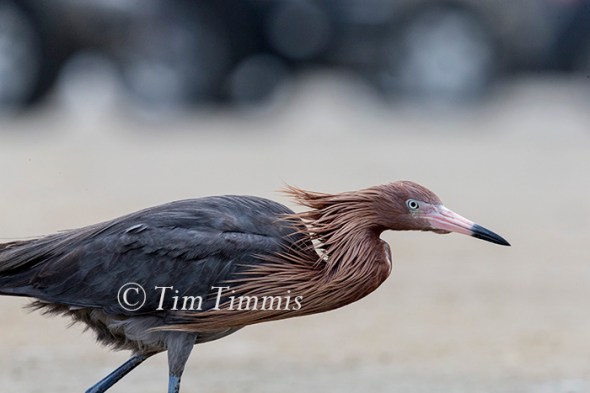
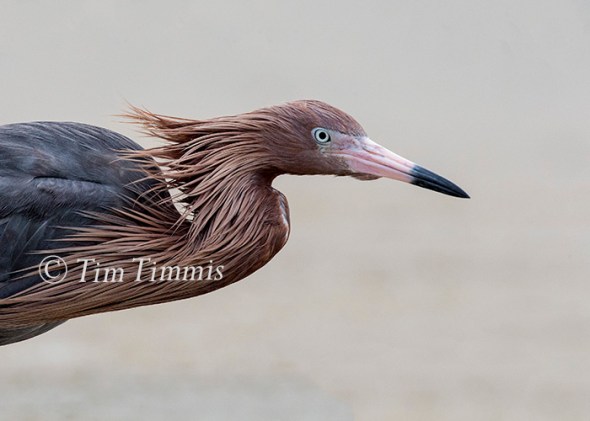
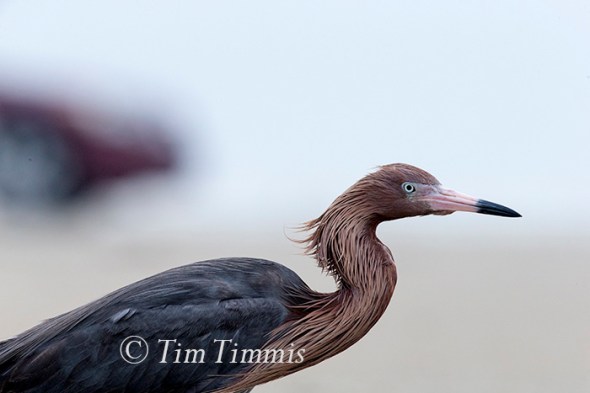
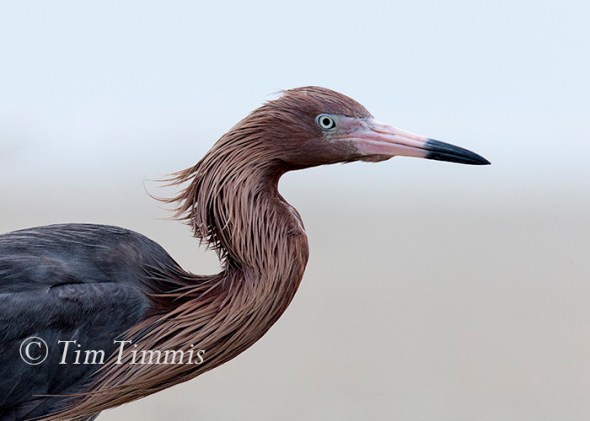
This Reddish Egret walked around us at FeatherFest during my Ground Level Photography field trip.  He was too close for a full bird shot so got these head shots with minor cropping.

Taken with Canon 1DX and Canon 500mm F4 IS II with 1.4X III teleconverter mounted on Skimmer ground pod with Wimberley II gimbal head.

Update:  I’ve added copies of the original uncropped photos to show how cropping is a necessity sometimes when there are distracting backgrounds.  In this case, we were shooting back towards our cars parked on the beach.

Original photo:

797_Ground Level_FeatherFest_04172016-3

Cropped photo:

Aperture priority, 1/800 sec @ F11, ISO 2500, evaluative metering, +2/3 exposure compensation, 700mm

797_Ground Level_FeatherFest_04172016-2

Original photo:

803_Ground Level_FeatherFest_04172016-4

Cropped photo:

Aperture priority, 1/1000 sec @ F11, ISO 2500, evaluative metering, +2/3 exposure compensation, 700mm

803_Ground Level_FeatherFest_04172016-2

Oystercatcher Action

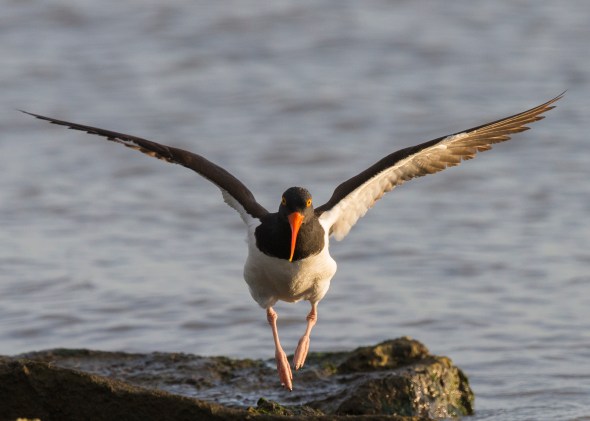
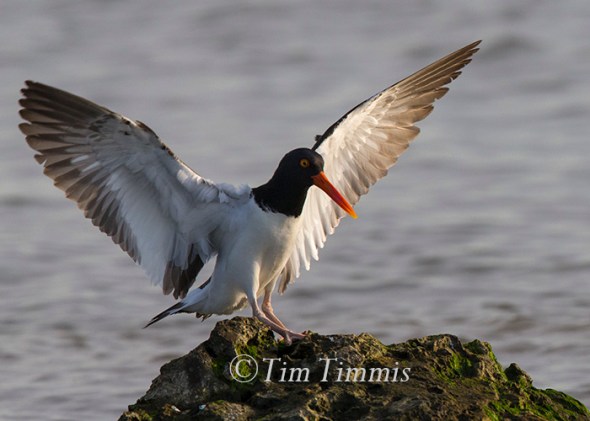
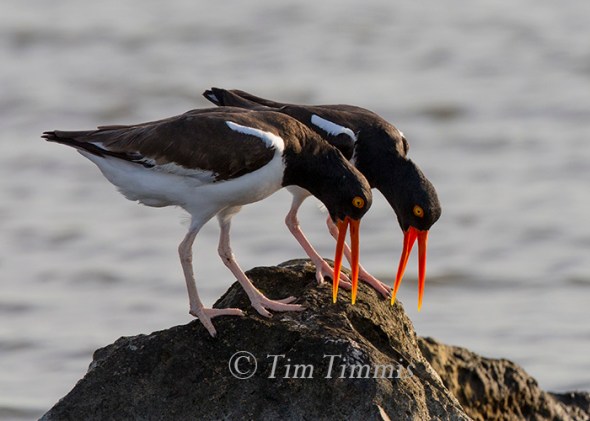
The goal of my trip to the Texas City Dike last weekend was to find Oystercatchers.  Didn’t find any in the usual spot so I kept driving down the 5 mile long dike looking along the rocks on the north side.  Got a glimpse of something white on a bird and pulled off of the road to check it out.  Found 4 Oystercatchers walking along the rocks.  They would jump/fly from rock to rock, which provided some nice photo op’s with outstretched wings.

Ended up following them for about 45 minutes until a 5th Oystercatcher flew in.  They then displayed “piping” behavior (last photo) for a few minutes and then all five flew off together.

Taken with Canon 1DX and Canon 500mm F4 IS II with 1.4X III teleconverter out the car window using a photography beanbag for support.

Aperture priority, 1/1600 sec @ F9, IS 1600, evaluative metering

935_Texas City Dike_04242016-2

Aperture priority, 1/2000 sec @ F10, IS 1600, evaluative metering, +1/3 exposure compensation

384_Texas City Dike_04242016-2

Aperture priority, 1/1250 sec @ F10, IS 800, evaluative metering, – 1/3 exposure compensation

462_Texas City Dike_04242016-2


The Making of a Bird Silhouette

Spent last Sunday at sunrise hanging out at the Texas City Dike with tons of birds including Avocets, Black Skimmers, Black Crowned Night Herons and some very cooperative American Oystercatchers.  More on the Oystercatchers later.

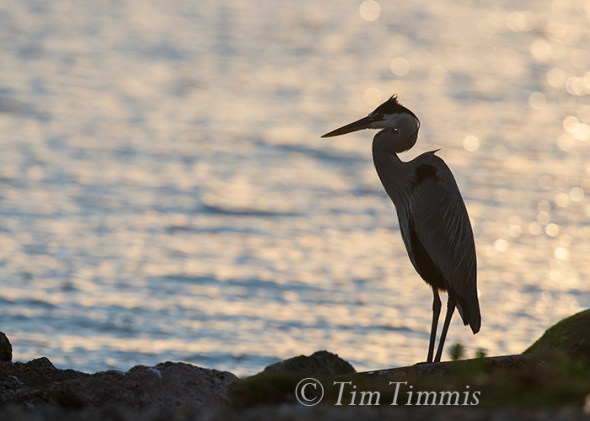
While trying to find the Oystercatchers, came upon this Great Blue Heron standing on some rocks.  Thought that I could turn this into a decent shot but knew that the sun reflecting off of the water behind him was going to be a challenge.  From instinct, bumped up the exposure compensation to +1 as the camera’s light meter was going to automatically darken the scene due to the bright background.  Checked the histogram and saw that the bird still wasn’t properly exposed per the first photo below.  It was going to take a lot more positive exposure compensation to be the Heron looking good, which would have really blown out the background.

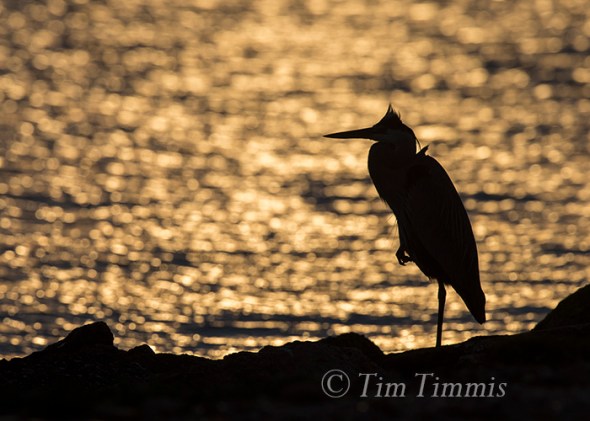
Instead, decided to turn this into a silhouette shot.  Backed my car up so that the sun reflection was directly behind him.  Lowered the ISO to 100, removed all exposure compensation and let the light meter in my camera automatically darken the scene as it was very bright.  Was very pleased with the result on the first try.  Checked my histogram expecting that a little negative exposure compensation could be needed but it wasn’t.  Another silhouette for my portfolio.

Used the back focus button on my camera to set the focus on the bird and then reframed the shot to get him in the right third of the photo.

Taken with Canon 1DX and Canon 500mm F4 IS II with 1.4x III teleconverter, hand-held out the car window using a camera bean bag

Original photo:  Aperture priority, 1/3200 sec @ F8, ISO 1600, evaluative metering, +1 exposure compensation

837_Texas City Dike_04242016

 Silhouette photo:  Aperture priority, 1/1000 sec @ F10, ISO 100, evaluative metering, no exposure compensation

845_Texas City Dike_04242016-2

Sanderling Steals the Show

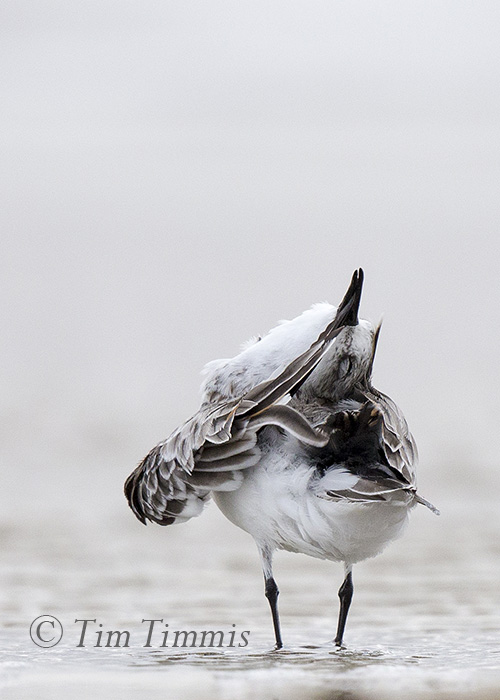
Ironically, with Avocets and full frame shots of Reddish Egrets in abundance, one of my favorite photos from last weekend’s FeatherFest ground level field trip on Saturday was this little Sanderling.  I’m always looking for small shorebirds when they are bathing and preening trying to get their beaks sticking straight up in the air.  Scored with this one.

Taken with Canon 1DX and Canon 500mm F4 IS II with 1.4X III teleconverter mounted on Skimmer ground pod with Wimberley II gimbal head

Aperture priority, 1/1250 sec @ F5.6, ISO 1600, evaluative metering, + 1 2/3 exposure compensation

250_Ground Level_FeatherFest_04162016-2

Galveston FeatherFest 2016

FeatherFest in Galveston, TX was held this past week and it was a great success.  This was my fourth year being a photography event leader with four classroom workshops and three field trips this year.  Had lots of fun and got to meet some great people with several repeat photographers from previous years.  Thanks to everyone that participated.  Special thanks to Scott, Julie Ann, Barbara, the liaisons and all of the volunteers. They made the leaders days go very smooth.

The weather didn’t fully cooperate but the birds sure did.  I was amazed at how well the field trips went with the cloudy and sometimes extremely windy weather.  I’m hoping that everyone on the field trips had a good time and got some great photos.  Can’t wait to do it again next year but my ‘ol body needs a little rest first.

Shore Bird field trip on Friday

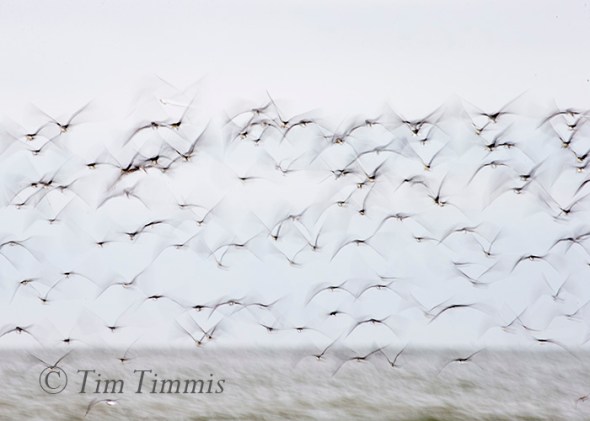
On Friday, we had a great time with photographing shore birds on Galveston Island.  Since it was cloudy when we got to the jetty on East Beach at sunrise, I encouraged the group to take blurred photos.  The usual flock of black skimmers launched for us several times, providing lots of practice for birds in flight and blurred photos, some of which are shown below.

We stopped at the east end of the island to see a few boring Avocets, some other shore birds and a cooperative Reddish Egret, which is always a good time.

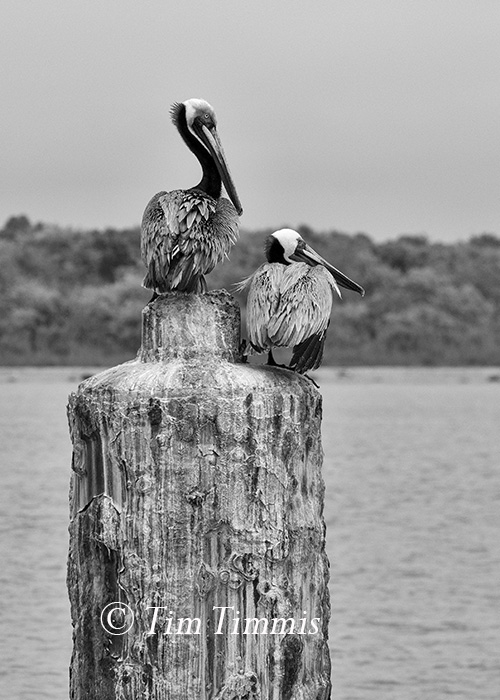
We then headed to 19th St. pier to check out the Pelicans near the fishing boats.  There were lots of photo op’s of the pelicans and a lone Black Crowned Night Heron.  The colors of the Brown Pelicans were amazing but I ended up converting the photo below to B&W based on the texture of their perch and their wings.

Taken with Canon 1DX with Canon 100-400 II, handheld

Black Skimmers:  Shutter priority, 1/10 sec @ F 16, ISO 400, evaluative metering, +1 exposure compensation
067_Shorebird Trip-Galveston Featherfest_04152016-2

Black Skimmers:  Shutter priority, 1/10 sec @ F 16, ISO 400, evaluative metering, +1 exposure compensation

081_Shorebird Trip-Galveston Featherfest_04152016-2

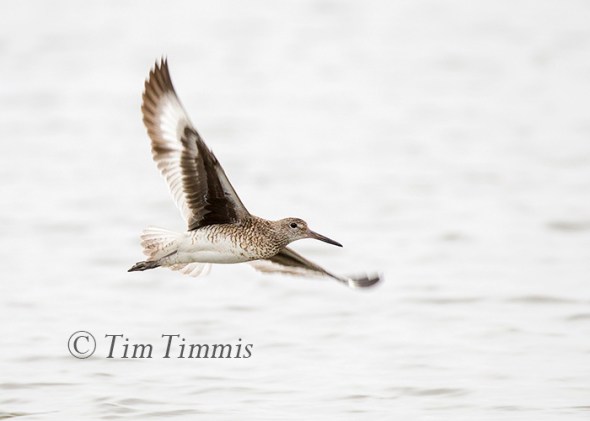
Willet:  Aperture priority, 1/500 sec @ F5.6, ISO 1600, evaluative metering, + 1 2/3 exposure
136_Shorebird Trip-Galveston Featherfest_04152016-2

Brown Pelicans:  Aperture priority, 1/1000 sec @ F9, ISO 800, evaluative metering, +2/3 exposure compensation.  Converted to B&W using NIK Silver Effects Pro (which is now free!!)
264_Shorebird Trip-Galveston Featherfest_04152016-3


Ground Level Photography field trip on Saturday

On Saturday, it was off to Bolivar Flats for some good old fashion down and dirty bird photography using ground pods.  Even though it was supposed to be low tide, the high winds from the south drove the surf to near the shore line.  However, there was a flock of Avocets right next to the parking area and we enjoyed some great photo op’s.  After about an hour, we got up (thankfully from my body’s perspective) and went down the shoreline to another group of Avocets and Royal Terns.  We laid down but there was a ridge of seaweed blocking the view of the birds.  We were cutting off the legs of the birds in our photos.  With no other good option, we practiced doing some belly crawling to try to get on a higher section of sand adjacent to the water, with limited success.

The shooting wasn’t ideal so we headed back to our original location as there were no other birds in sight down the shoreline.  Unfortunately, the Avocets spooked and flew away before we could get into position.  I instructed the group to lay down and wait for them to come back as it was a good location, considering the conditions.  The Avocets didn’t come back but a Reddish Egret ended up landed right in front of us.  It was very sweet.  He put on a very good show for us, although he was too close for me at times at 700mm, which is a good problem to have.

Taken with Canon 1DX and Canon 500mm F4 IS II with 1.4X III teleconverter mounted on Skimmer ground pod with Wimberley II gimbal head

American Avocet:  1/640 sec @ F9, ISO 800, evaluative metering, +2/3 exposure compensation
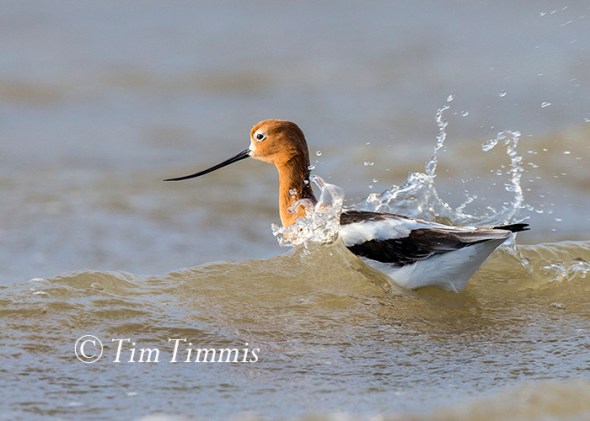
215_Ground Level_FeatherFest_04162016-2

Reddish Egret:  Aperture priority, 1/1000 sec @ F7.1, ISO 1600, evaluative metering, + 1 2/3 exposure compensation
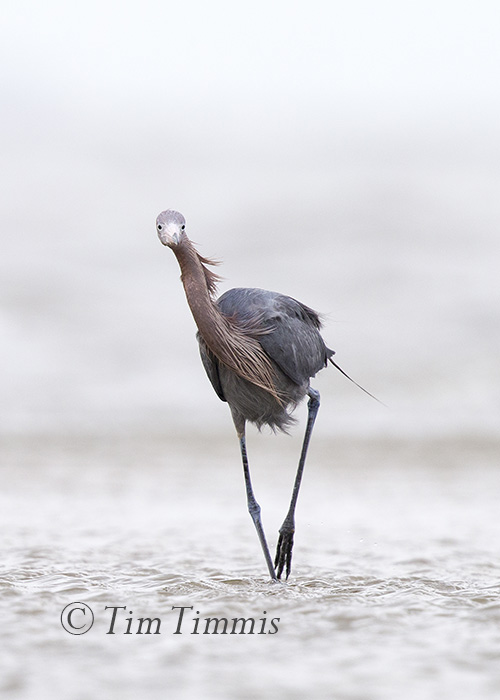
268_Ground Level_FeatherFest_04162016-2

Reddish Egret:  Aperture priority, 1/500 sec @ F11, ISO 2500, evaluative metering, + 1 2/3 exposure compensation; full frame shot
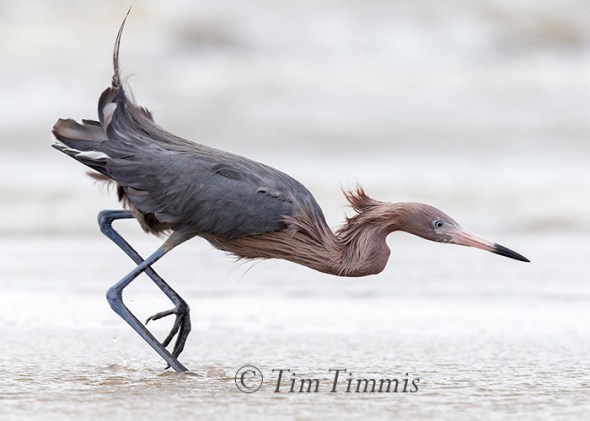
483_Ground Level_FeatherFest_04162016-2

Reddish Egret:  Aperture priority, 1/640 sec @ F11, ISO 2500, evaluative metering, + 1 2/3 exposure compensation
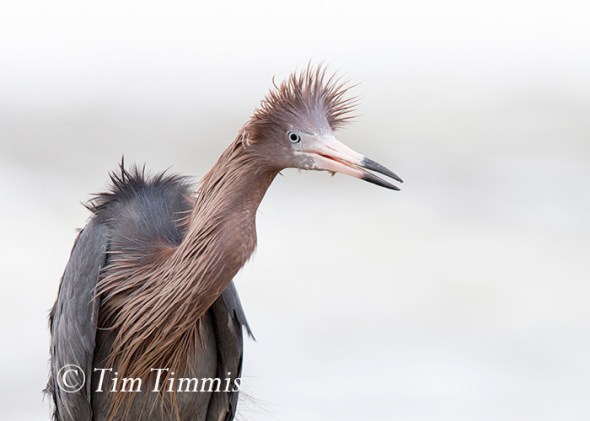
518_Ground Level_FeatherFest_04162016-2


Ground Level Photography field trip on Sunday

It was obvious going into the weekend that Sunday was going to be challenging with the weather forecast of storms all day.  Got up at 3:30 a.m. to check the radar with no rain in the Galveston area, which was very good news.  However, it was raining off and on during on my drive to Galveston.  Made the 6:00 a.m. ferry and met the group on the Bolivar side.  I was hoping for the best based on Saturday’s outing but it was very windy (20 to 30 mph), which is usually a kiss of death at Bolivar Flats for birds being along the shoreline.

The first challenge hit when we turned onto the road to the beach and found that it was flooded.  Put my boots on and walked the road with Kevin and confirmed that there was only a few inches of water on the road.  We found the second challenge when we got to the beach and found that the beach was flooded and we couldn’t make it to the “flats”.  What could have been a major bust turned out to be a great outing with finding a couple of Oystercatchers, several Avocets and a Reddish Egret along the shoreline near the entrance to the beach.

We geared up and got down and dirty with our ground pods.  Always leery of getting too close and spooking the birds, I kept the group back a ways to start.  We then ended up belly crawling closer pushing our ground pods along in the sand.  I could tell that Kevin was really getting into it as he ended up in the water ahead of the rest of the group.  We eventually caught up with him and enjoyed some good shooting.

Then the third challenge hit when someone pulled up in a car with two kids and walked very close to the Reddish Egret to collect shells along the beach.  Some people have no clue.  The Terns scattered but luckily, the egret didn’t fly away.  I’ve learned over the years to not get too angry at clueless people but to take advantage of the situation.  Seeing that the Egret was more interesting in feeding than people, I got the group up and we shifted to be closer/more in line with where the egret was feeding.  It was a very good move as we were able to get very close to him and he ended up walking right by us at one point.

Taken with Canon 1DX and Canon 500mm F4 IS II with 1.4X III teleconverter mounted on Skimmer ground pod with Wimberley II gimbal head

American Avocets:  1/640 sec @ F9, ISO 1600, evaluative metering, +1 exposure compensation
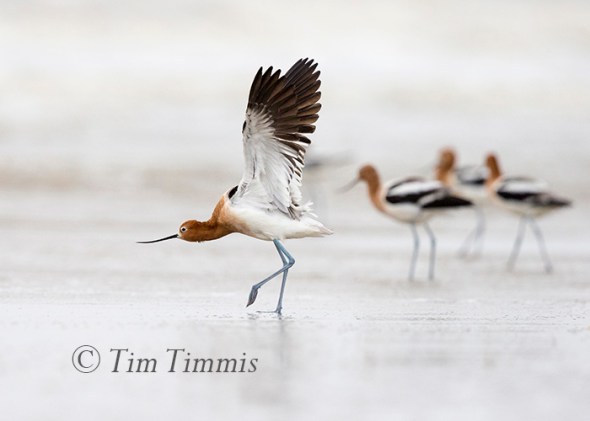
265_Ground Level_FeatherFest_04172016-2

Reddish Egret:  Aperture priority, 1/1000 sec @ F11, ISO 2500, evaluative metering, + 1 1/3 exposure compensation
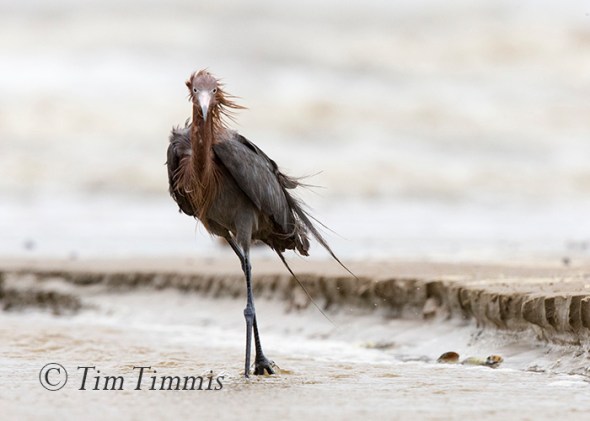
702_Ground Level_FeatherFest_04172016-2

Reddish Egret:  Aperture priority, 1/800 sec @ F11, ISO 2500, evaluative metering, + 1 1/3 exposure compensation.  Full frame shot with being cropped to vertical format.
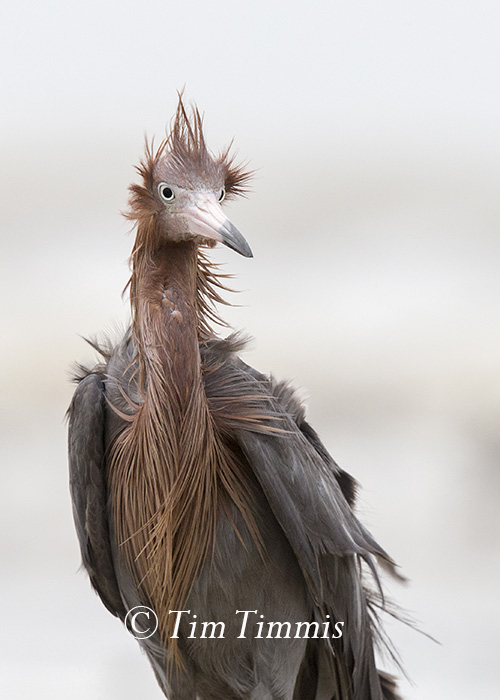
563_Ground Level_FeatherFest_04172016-2


Splish Splash

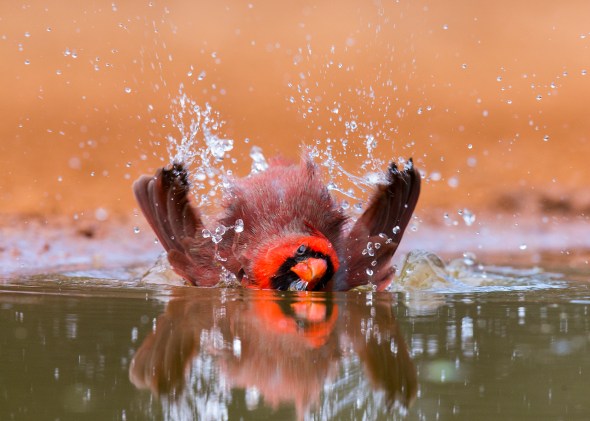
This male Northern Cardinal was busy taking a bath on my last trip to Santa Clara ranch in south Texas.  Made a cool subject to photograph from the recessed blind that was almost level with the pond.

Taken with Canon 1DX and Canon 500mm F4 IS II

1/1250 sec @ F 8, ISO 1600, evaluative metering

003_Santa Clara_11142015 (1).jpg